
Addition Reactions of Alkenes

Changing the Position of a Leaving Group
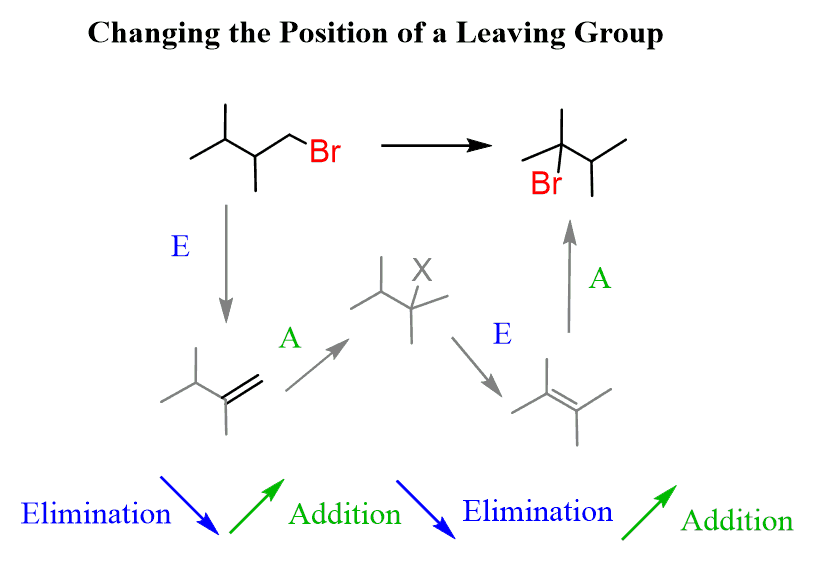
In the previous post, we talked about a simple strategy you can use for changing the position of a double bond. A similar tool-set, commonly used in organic synthesis, is the change of the position for a leaving group: … Read more
Changing the Position of a Double Bond
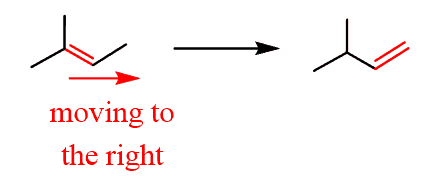
Changing the position of a double bond is a very important tool in organic synthesis. For example, let’s try to figure out what happens in this transformation: The double bond has suddenly moved to produce a new regioisomer … Read more
Alkene Reactions Practice Problems
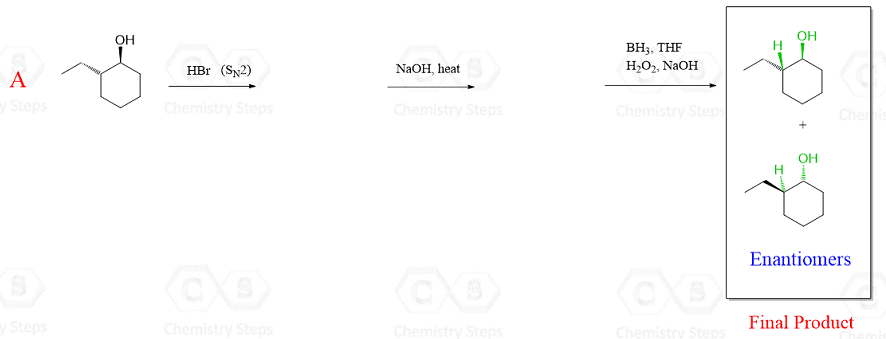
This is a comprehensive problem that covers the following topics and will serve as a review of all of them: Substitution and elimination reactions. Particularly, substitution and elimination reactions of alcohols, the regio– and stereochemistry of E2 reactions and E2 reaction … Read more
Anti Dihydroxylation of Alkenes with MCPBA and Other Peroxides with Practice Problems

Diols and Epoxidation Dihydroxylation is the addition of two OH groups to an Alkene: This can be achieved in several ways depending on the structure of the target diol, mainly, whether we need it in a cis or … Read more
Syn Dihydroxylation of Alkenes with KMnO4 and OsO4

In the previous post, we learned that the anti-dihydroxylation of alkenes is achieved by converting them to epoxides, followed by acid or base-catalyzed ring-opening of the epoxide: To convert alkenes into cis-diols by syn dihydroxylation, they are reacted … Read more
Ozonolysis

Ozonolysis is an efficient way of oxidizing alkenes (and alkynes as well) into their corresponding aldehydes and ketones: One of the advantages of ozonolysis compared to other oxidative cleavage reactions is that it does not over-oxidize the alkene … Read more
Halogenation of Alkenes
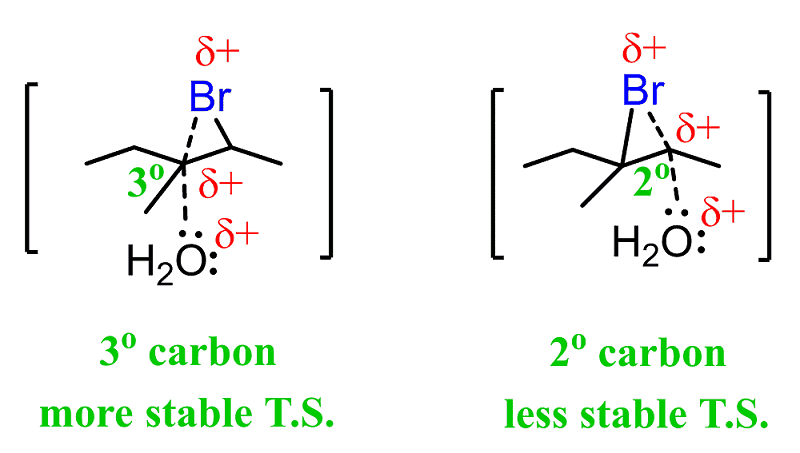
The halogens Br2 and Cl2 add to the double bond of an alkene, producing vicinal dihalides – a compound bearing the halogens on adjacent carbons (vicinus, Latin: adjacent). These are also called 1,2-dihalides: The reaction with bromine is … Read more
Hydroboration-Oxidation of Alkenes: Regiochemistry and Stereochemistry with Practice Problems
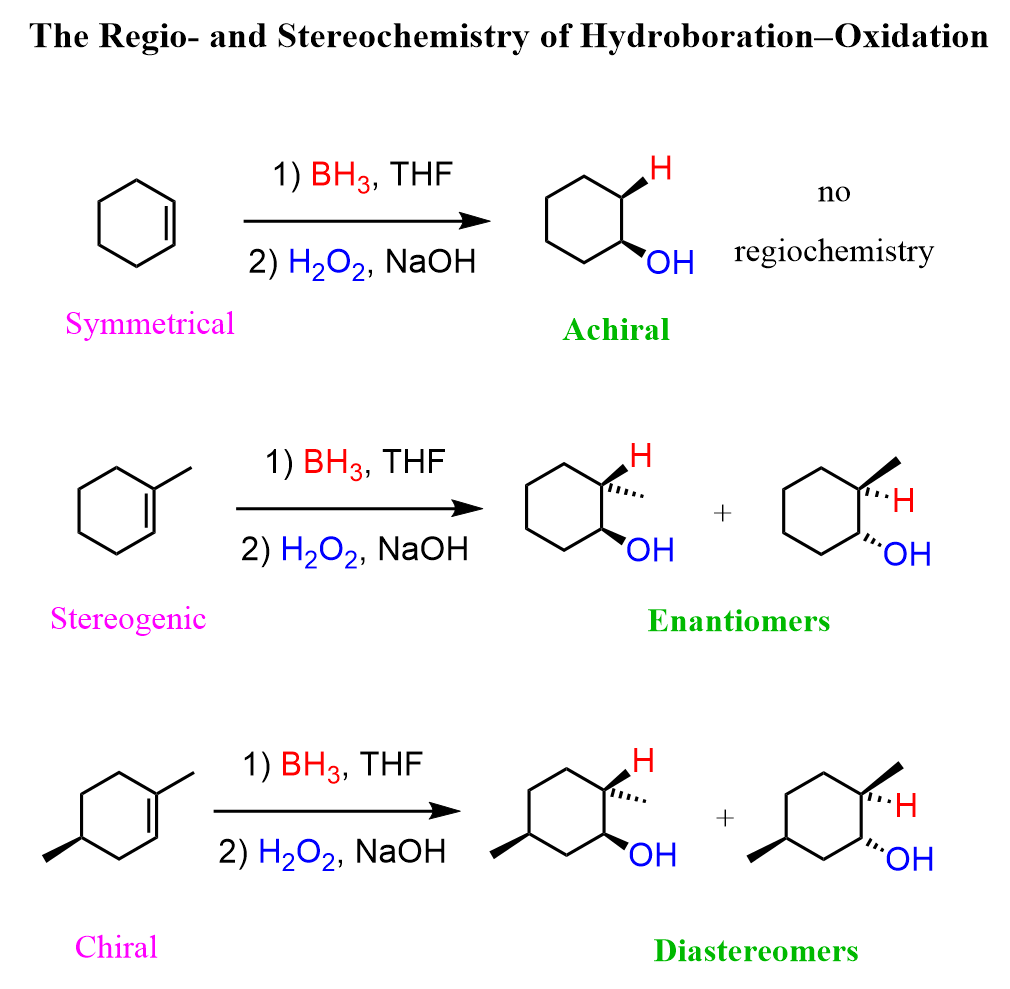
The Regiochemistry of Hydroboration-Oxidation In the previous post, we mentioned that Hydroboration-oxidation places the OH group on the less substituted carbon of an alkene. Overall, it is an anti-Markovnikov hydration of the alkene, which is the regioselectivity of this reaction. … Read more
Hydroboration Oxidation of Alkenes

Hydroboration–oxidation converts alkenes into alcohols, with the OH group ending up on the less substituted carbon. As we will see below, there are two main parts in this conversion: the hydroboration step, which forms the intermediate alkyl borane, and the … Read more