
Here is a simple view on this important topic. In Lewis structures, we show each covalent bond as two dots, which represent a pair of electrons. For example:
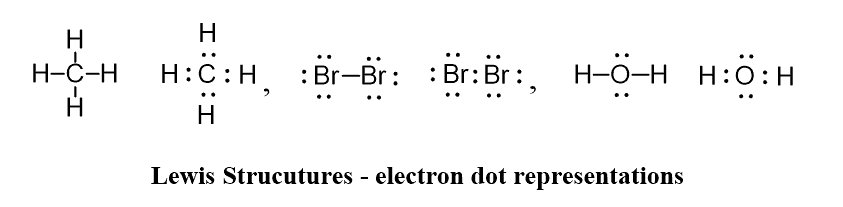
So the bonds can be represented either with a line or a pair of electrons (two dots), and therefore, we can say that Lewis structures are electron-dot representations for molecules. Once we know this concept, it is relatively easy to interpret the structure. However, coming up with a reasonable Lewis structure from a formula is not as obvious. There are a few things to keep in mind when drawing a Lewis structure. These are the correct placements of the atoms in the molecule, determining the number of electrons involved in the bonding and non-bonding interactions, and keeping track of these electrons.
While hydrogen and the following elements have few electrons, the elements below the second row of the periodic table have quite complex electron configurations, and it may get challenging to find the right way of involving them in chemical bonding. To make this easier and avoid any possible confusion, Lewis suggested focusing only on the valence electrons since the covalent bonds are formed by the valence electrons.
As a reminder, valence electrons are the ones in the outermost energy level (principal quantum number – n). For example, the electron configuration of carbon is 1s22s22p2. Out of these, the ones in the second energy level, n=2, are the 2s22p2 four electrons. So, carbon, being in group 4, has four valence electrons, and that is true for all the other elements:
The number of valence electrons corresponds to the group number of the element.
For example, the following are the valence electrons for each element.
Na: 1, Mg: 2, B: 3, C: 4, N: 5.
Drawing Lewis Structures
In short, these are the steps you need to follow for drawing a Lewis structure:
1. Write the correct skeletal structure for the molecule.
* Hydrogen atoms are always terminal (only one bond)
* Put more electronegative elements in terminal positions
2. Sum the valence electrons from all the atoms.
3. Use a pair of electrons to form a bond between each pair of bound atoms.
4. Add the remaining electrons to satisfy the octet for the more electronegative atom first.
5. If any atoms lack an octet, make a double or triple bond to give them an octet.
Now, let’s go over these in more detail by drawing the Lewis structure of HCl.
- The first thing in drawing a Lewis structure is to place the atoms in the correct location, and since we only have two atoms here, we can only place them next to each other:
H Cl
And in general, as well, remember to always put the hydrogen on the periphery because it has one electron and can only make one bond.
You can see the bonding patterns of the most common elements in organic chemistry in the valency and formal charges post:
- Next, sum the valence electrons. One from the H (group 1) and 7 from the Cl (group 7). Therefore, we have 8 valence electrons:

- Out of these eight, two electrons must be used to make a bond between the atoms:

This leaves us with six electrons:

- Remember to put the remaining electrons on the more electronegative atom first and then on the other(s) if more electrons are still available.
So, six electrons go to the Cl:

These electrons are called non-bonding electrons or lone pairs of electrons. And instead of saying the Cl has six electrons, even though it is not wrong to say so, we normally count them in pairs and say that the Cl has three lone pairs of electrons. The lone pairs are important because they define the geometry of the molecule and participate in chemical reactions.
Finally, check to make sure that the following elements obey the octet rule, which applies to C, N, O, F, and all the other halogens. The octet rule states that some elements tend to have eight electrons around them, whether by bonding pattern or in their ionic form.
The bonding (shared) electrons are included in the electron count of each element:

Hydrogen does not follow the octet rule since it has one electron and can only form one bond, which is referred to as the Duet rule.
In Lewis structures, the bonds can be shown either by dots or lines. For example, the previous structures can also be shown as follows:

Double and Triple Bonds in Lewis Structures
Let’s now draw the Lewis structure of CO2. As always, the first step is to place the atoms correctly. Oxygen, being more electronegative, goes on the periphery:

For the valence electrons, we have 4 from the carbon and 2 x 6 = 12 from the two oxygens, giving 16 valence electrons in total:

One bond between the carbon and each oxygen takes 4 electrons, and we have 12 electrons left:

Place 6 on each oxygen and check for the octets:

The oxygens have 8 electrons. However, the carbon has only four electrons, and in these cases, you need to move one of the lone pairs, from the element that has an octet, to the element lacking an octet to make another bond:

The same is done for the other carbon since it still lacks an octet:

At this point, all the atoms have 8 electrons. Notice that there are four electrons between the carbon and each oxygen, which means they make two double bonds:

Lewis Structure of Organic Molecules
For the third part, let’s see how to work around a problem with a larger organic molecule where the placement of atoms is given and you need to add the bonds and any possible lone pairs:
For example, draw an acceptable Lewis structure for the following compound:

- Count the total number of valence electrons:

- Make a bond between each neighboring atom:

- Count the remaining electrons and place them on the atoms in the order of their electronegativity:

- Identify atoms lacking an octet:

- Move one lone pair from the oxygen to make a double bond:

And this gives us the Lewis structure for this organic molecule.
Now, let’s pay attention to something interesting here. You may wonder why we did not move the lone pair from the nitrogen instead of the oxygen in the following way:

That is a good question, and the answer is that it can be done, either way, i.e., we could have moved either of these lone pairs:

A and B are both correct Lewis structures of this molecule and are called resonance structures. Resonance structures can be interconverted with one another by moving some of the electrons:

The arrows that show the movement of electrons in resonance forms are called curved arrows:
Notice also that the oxygen and the nitrogen are charged in the resonance form B. These are called formal charges.
You may be familiar with these concepts from General Chemistry, and we also have separate articles for detailed coverage, so you can check them out too.
For this post, we will briefly mention what they are, and how they are important in organic chemistry.
Resonance Structures
Resonance structures are different Lewis structures of the same molecule. In other words, they are different ways of drawing the same species.
So, what does “different” refer to if they represent the same species? The term “different” refers to the electron distribution, such as the lone pairs and π bonds in the molecule, and by “the same,” we are referring to the positions of the atoms.
We use curved arrows to show the movement of electrons, which can indicate breaking and/or making chemical bonds:

Once again, this is a topic that you will cover in a couple of lectures, so no worries about feeling like you have missed something in the class (unless you did – still, there are a lot of practice problems to catch up).
Formal Charges
You know from General Chemistry that elements have a preferred number of bonds that they make. So, when they are off their standard bonding patterns, lone pairs and formal charges come into play.
The most important element you need to understand in terms of bonding patterns is, of course, carbon.
Carbon has / likes / prefers to have four bonds. This is the golden number of carbon:
C ❤️ 4
So, when drawing Lewis, Rsoance, Bond-Line, or any other structure, this is rule #1:
Never show a carbon with five bonds
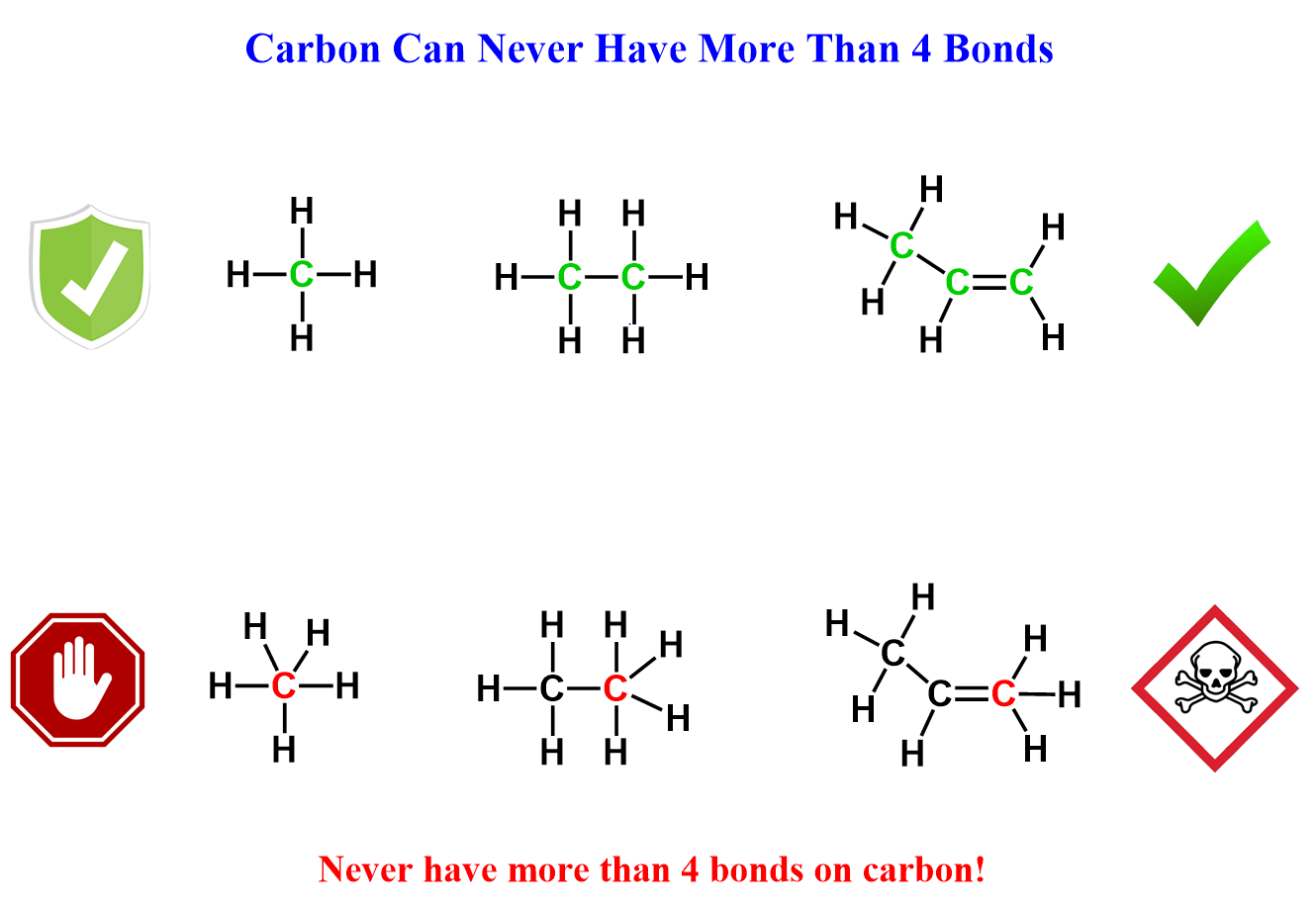
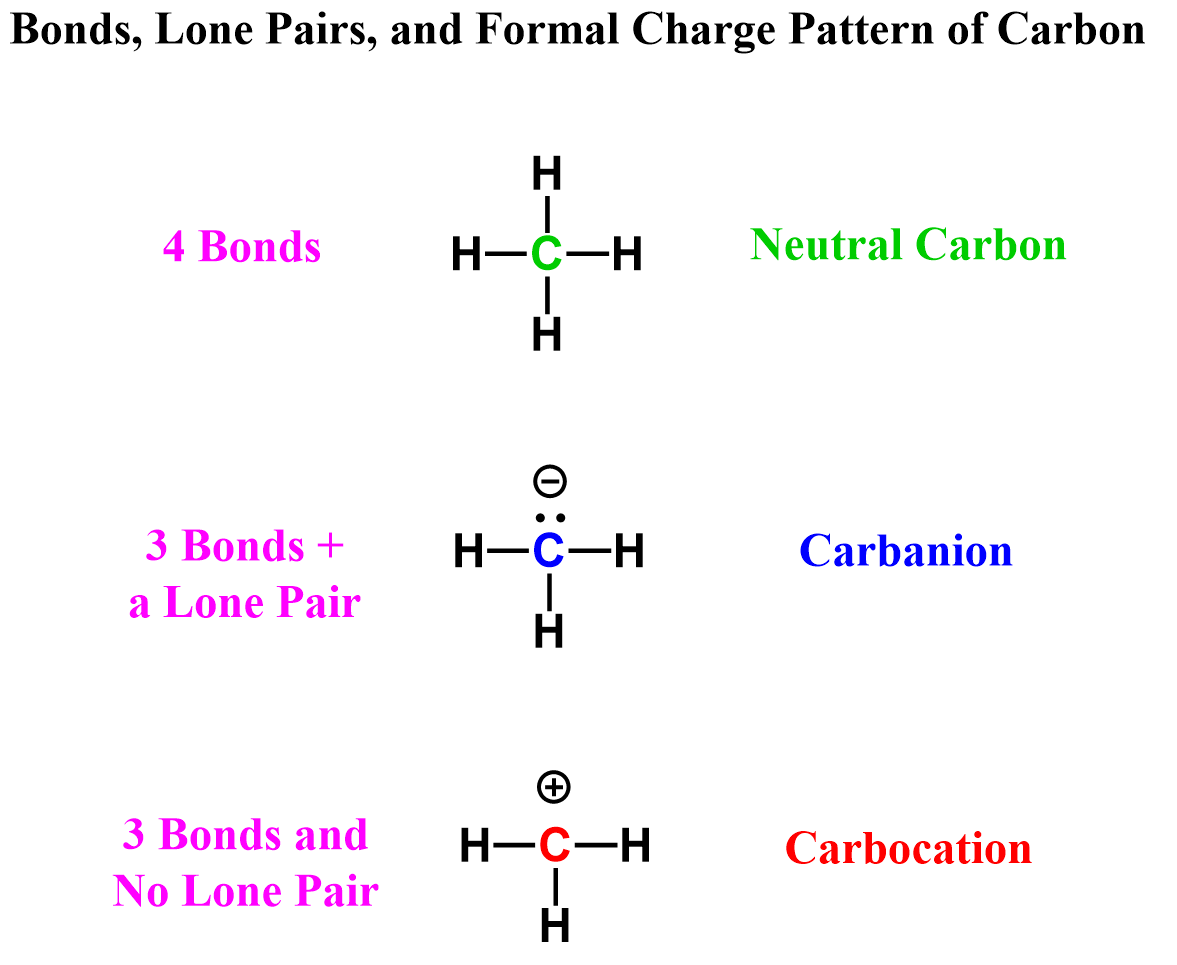
It can have three bonds with or without a lone pair.
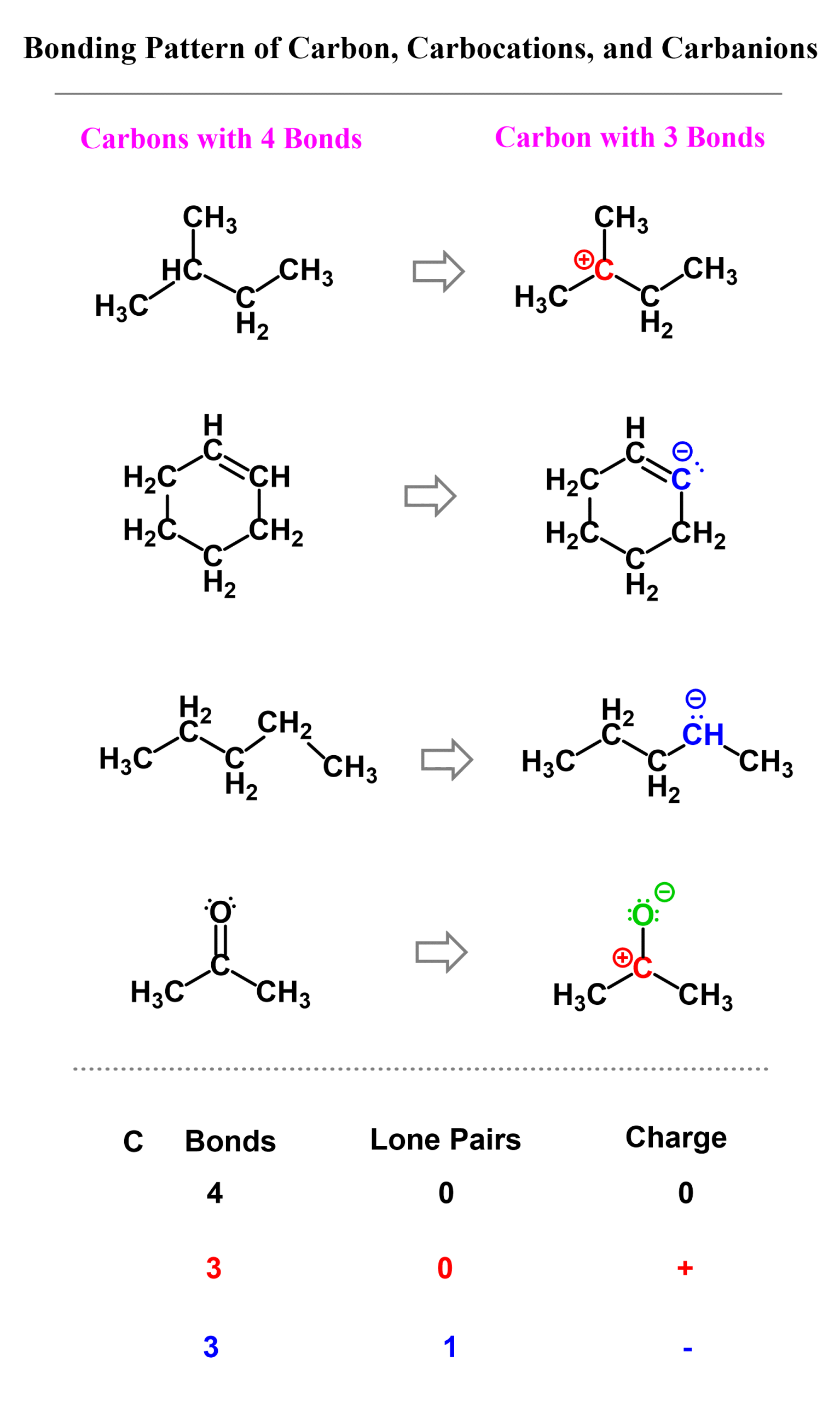
In the first case, the carbon is negatively charged, and we have a carbanion, whereas a carbon with three bonds and no lone pairs is positively charged, thus the name carbocation:
Here are some examples of carbocations and carbanions containing carbon atoms with three bonds. Pay attention to the number of lone pairs and formal charges:
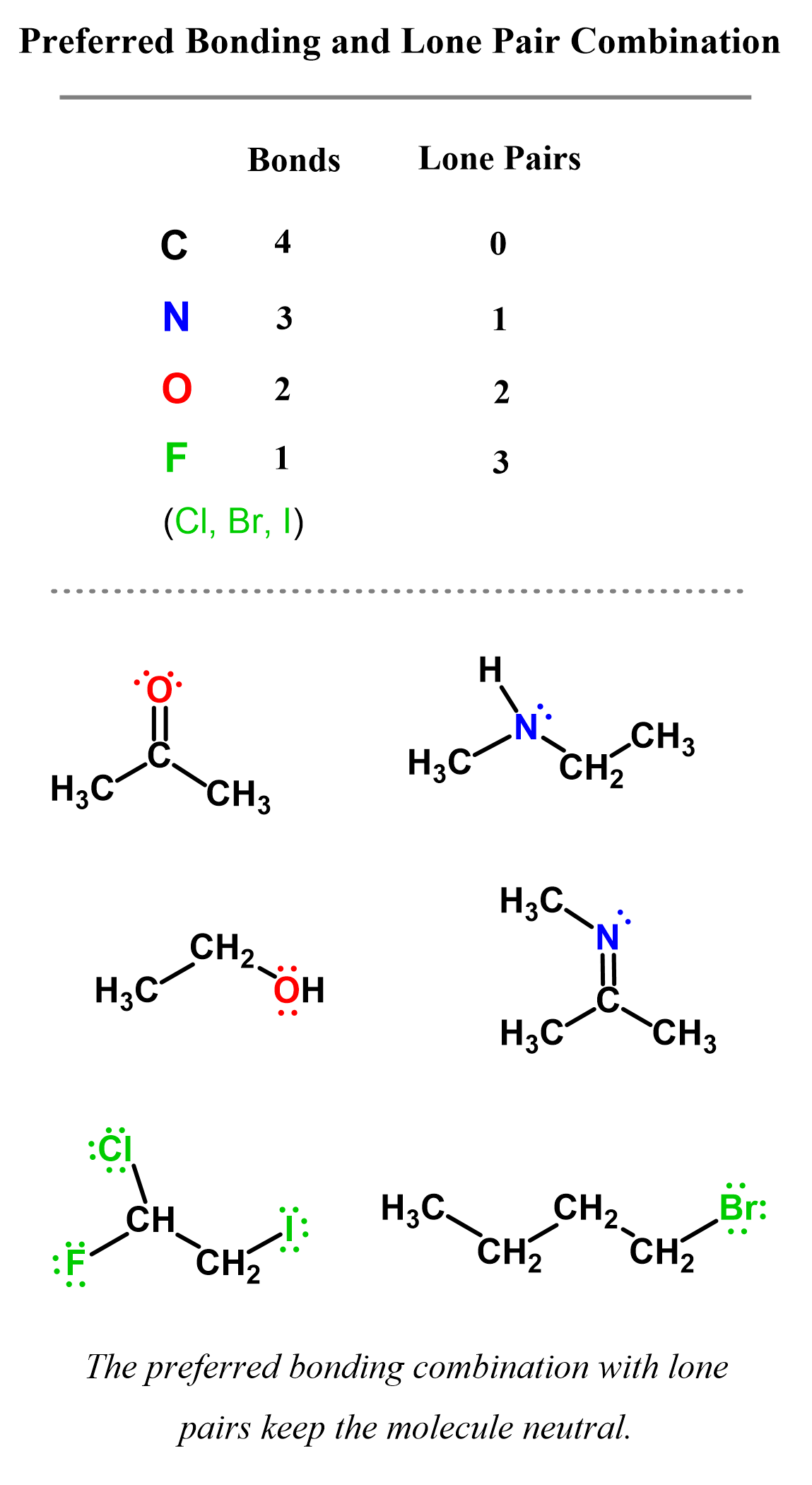
The other important, or I should say common, as they are all important, elements in organic chemistry are N, O, F, and the rest of the halogens. For a neutral molecule (no formal charge), oxygen has 2 bonds and 2 lone pairs, nitrogen has 3 bonds and a lone pair, and halogens have 1 bond and three lone pairs:
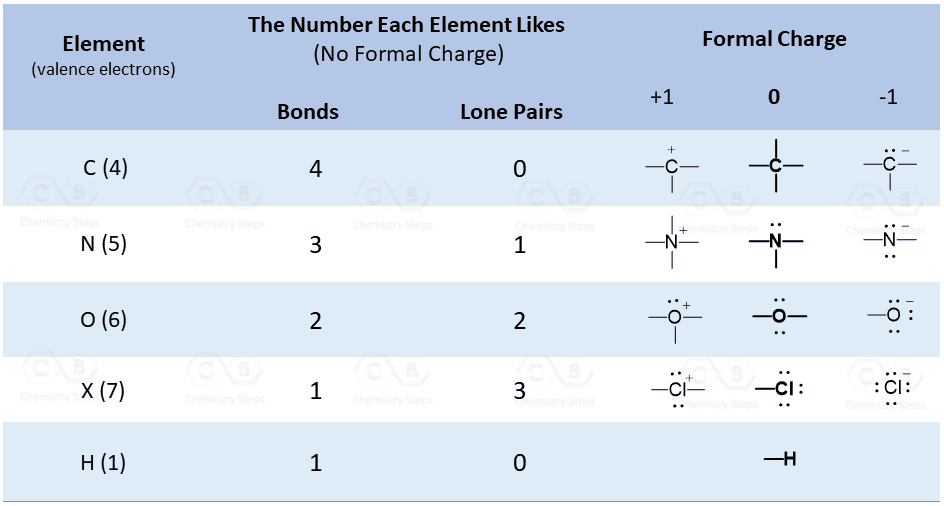
Here is also a table that includes the bonding pattern of nitrogen, oxygen, and halogens in organic chemistry. As a side note, remember that hydrogen can only have one bond.
Hopefully, this gives you a good idea of what to expect in this section discussing the Structure and Bonding in Organic Chemistry. This is essentially the material you will be going over in the first couple of weeks of the semester. Then you will move to the Hybridization and VSEPR theories, after which there will be more focus on different types of isomerism in the chapter on Stereochemistry.
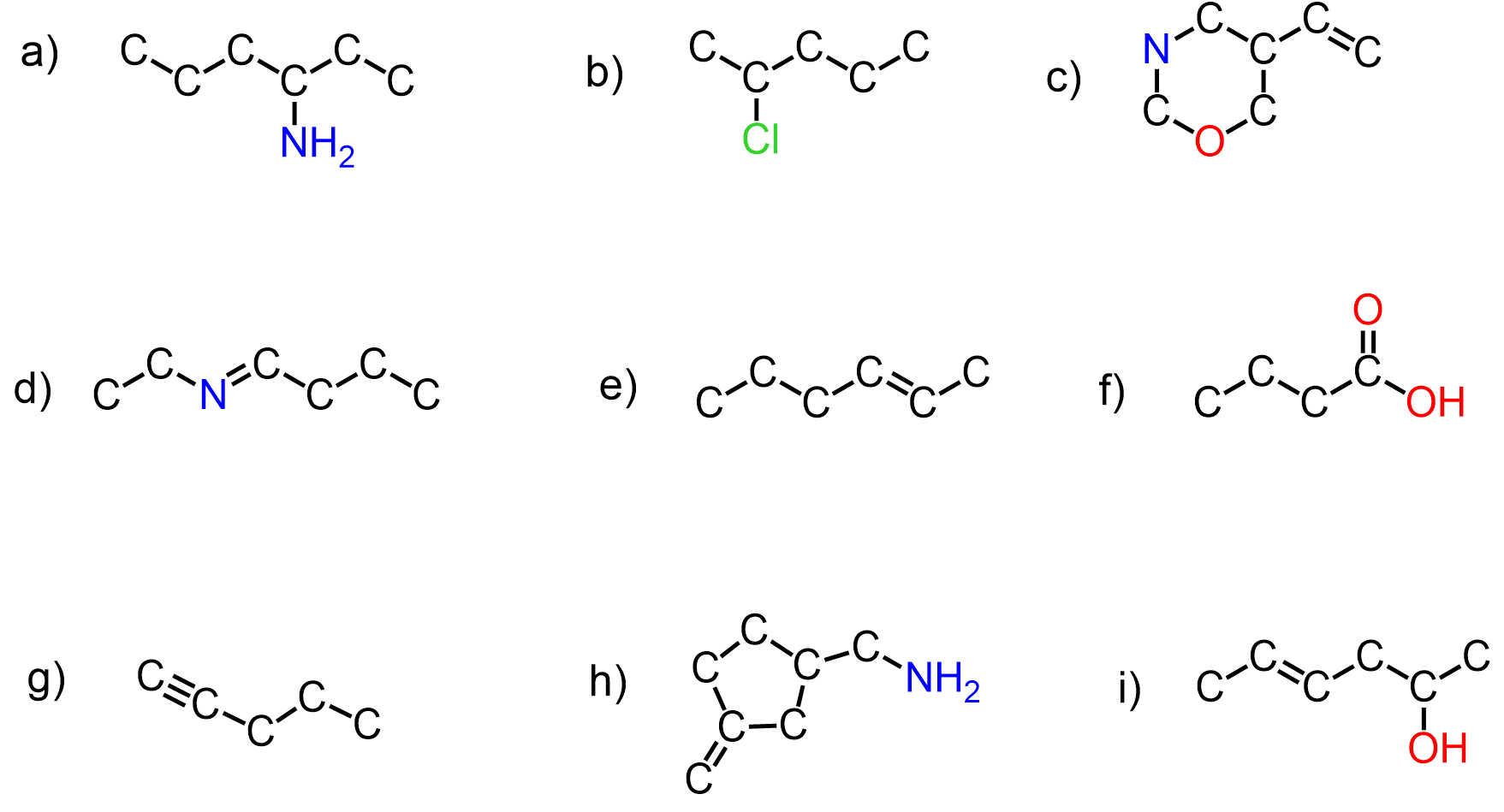
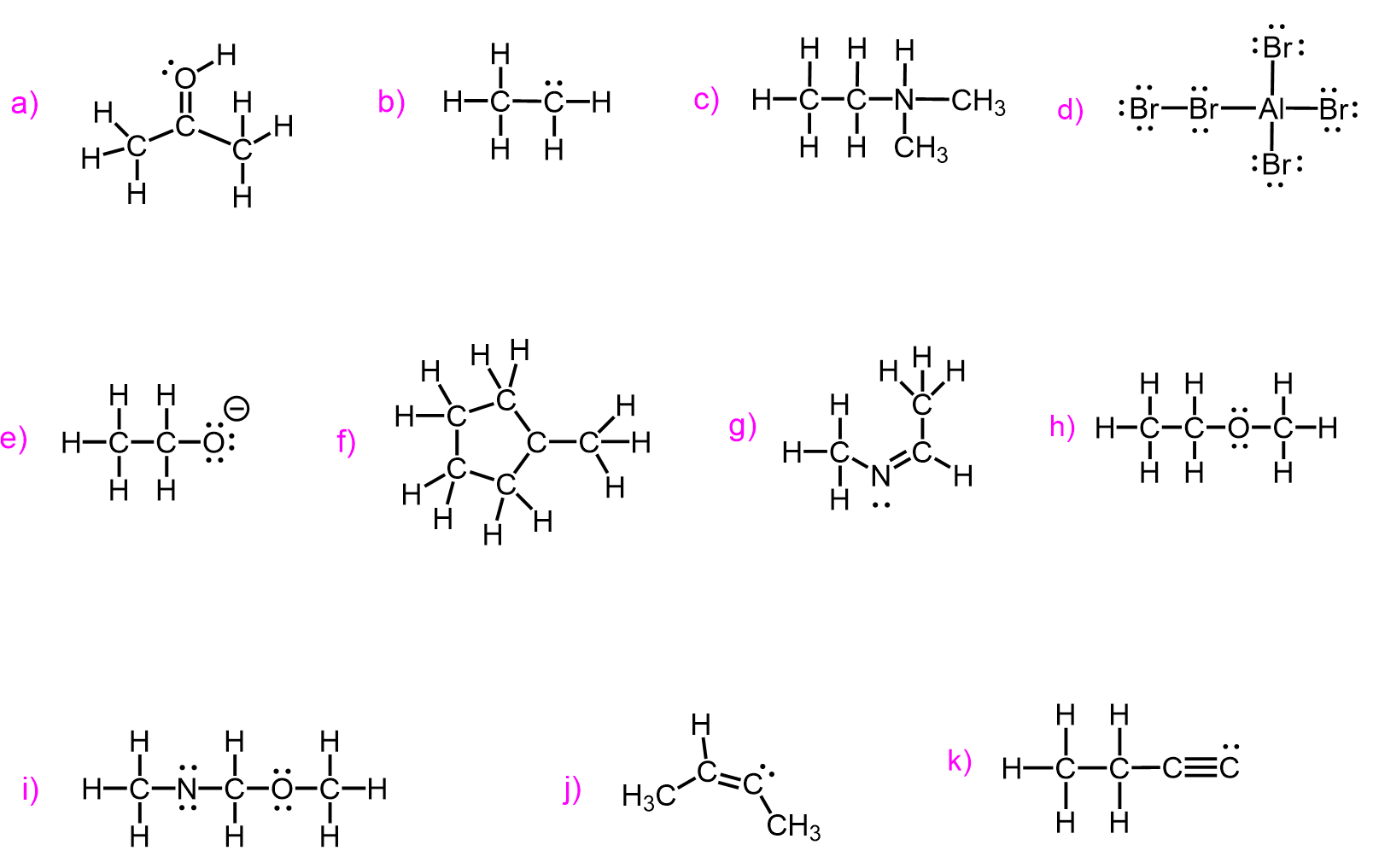
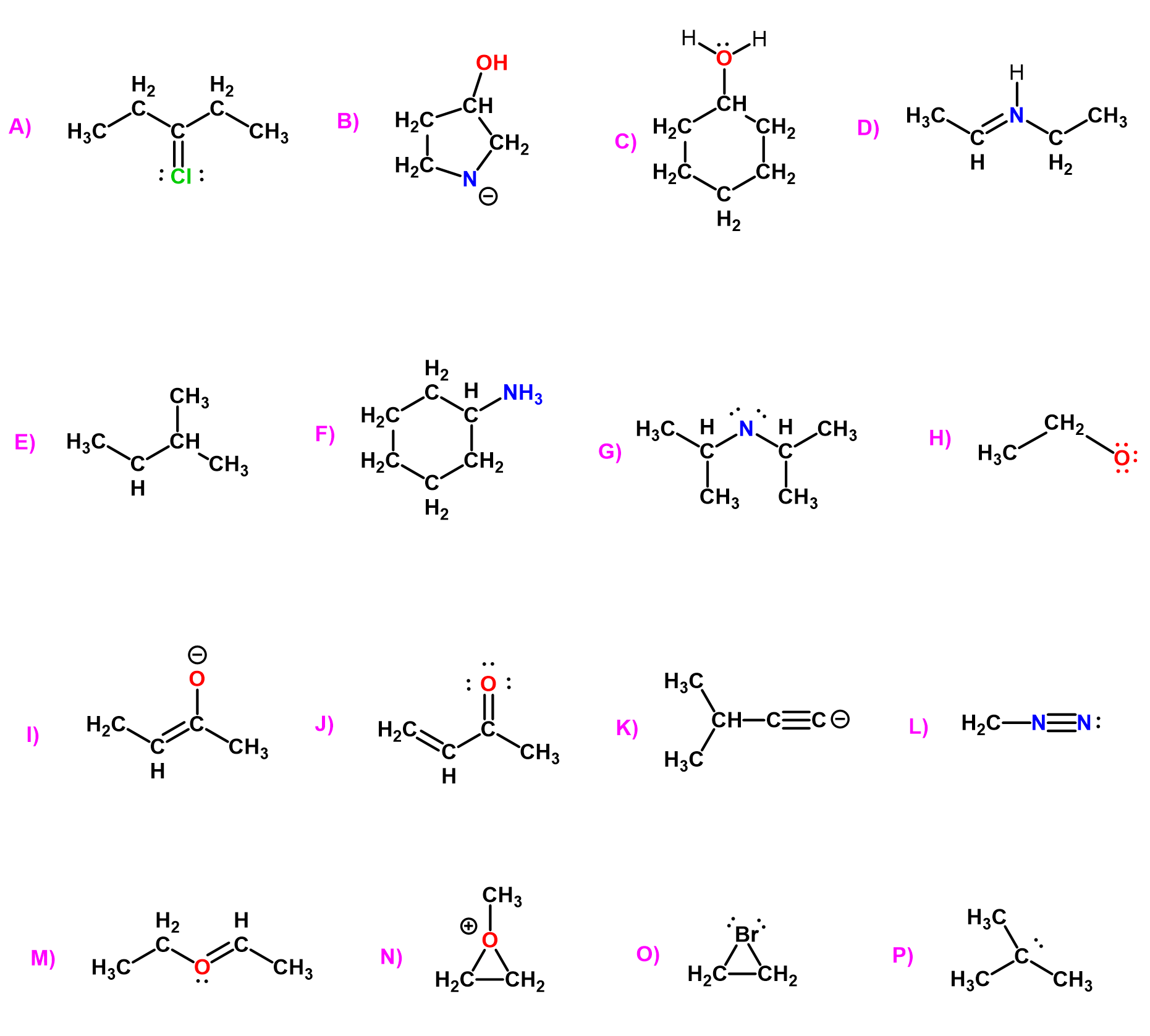
I will add some practice problems here that involve Lewis Structure, and bonding patterns of C, N, O, and Halogens, including Lone pairs and Formal Charges. You can check each topic separately if it feels overwhelming, and you have covered the basics of Lewis structures.
The last exercise has the structures shown in Bond-line notation (no hydrogens), so feel free to skip if you don’t know what they are.
💬 As always, feel free to ask your questions in the comments so I can help you, too.
Check this 60-question, Multiple-Choice Quiz with a 2-hour Video Solution covering Lewis Structures, Resonance structures, Localized and Delocalized Lone Pairs, Bond-line structures, Functional Groups, Formal Charges, Curved Arrows, and Constitutional Isomers.
Molecular Representations Quiz

Hi! I noticed a few mistakes. First, in the second example it says “Place 6 on each carbon and check for the octet” but I believe it should be oxygen instead of carbon. Also, in the third example you are missing the H molecule below the N molecule on the initial compound shown without bonds.
Thanks for catching those! Fixed.
Hi,
I may be wrong but I think second structure in the first figure under the resonance structure subsection maybe missing a lone pair on the nitrogen (on its resonance structure).
Hi there,
You are not wrong – that nitrogen does have a lone pair, and it would be more accurate to show it. A little heads up, though: once you pass this chapter, showing the lone pairs becomes optional, as it assumes everyone knows whether there is one or not. As long as you understand the implications of lone pairs, such as those on the geometry, formal charges, and reactivity, you are fine.
I am adding the structures with the lone pair to clear any confusion: