
When you need to identify all the isomers for a given molecular formula, the first thing you want to do is calculate the degree of unsaturation so that you know whether the compounds contain any π bonds or ring structures.
Using the following formula, we determine that there is one degree of unsaturation, which means the isomers are all unsaturated compounds containing two oxygen atoms:

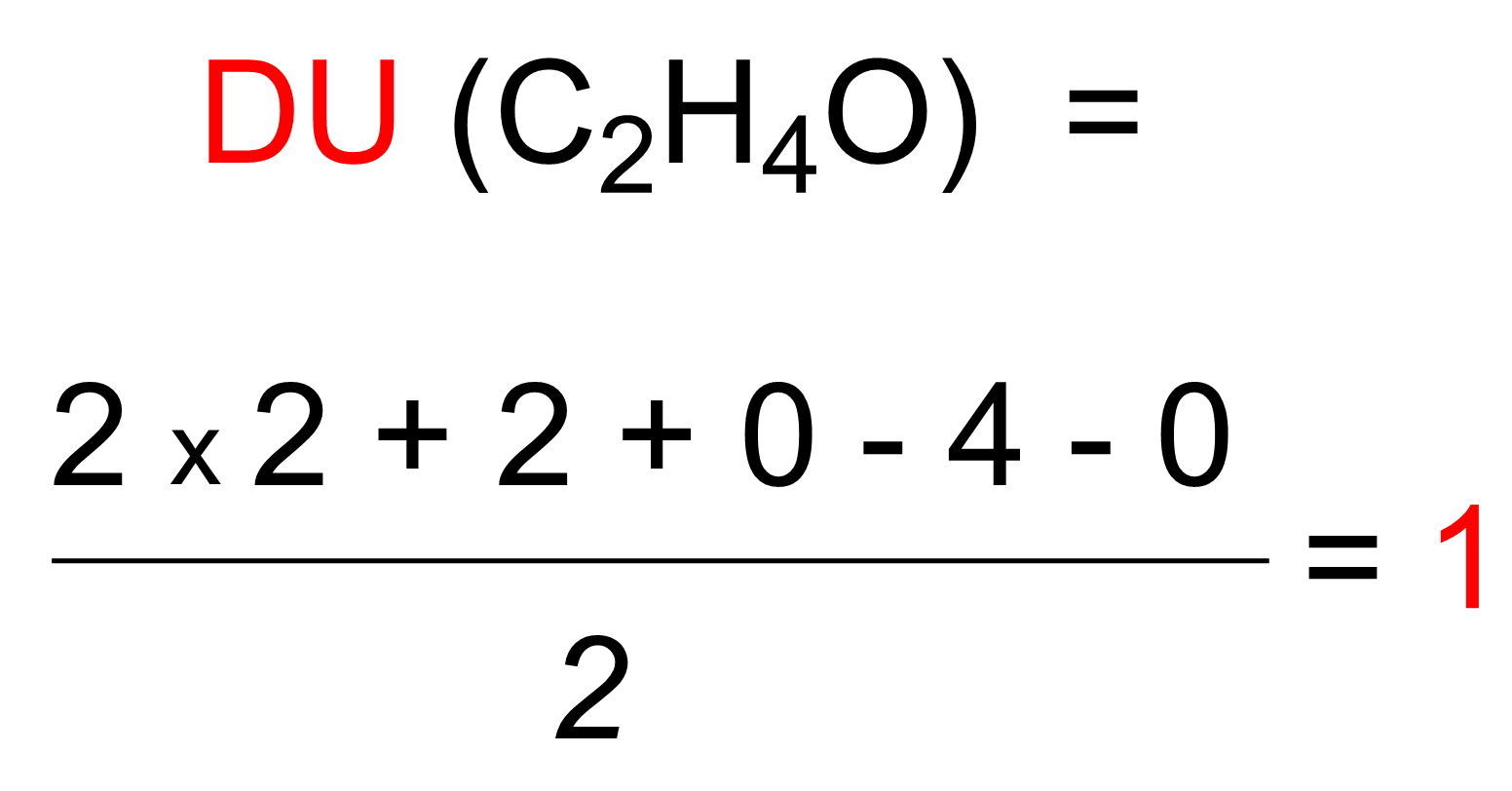
One degree of unsaturation means that all the C2H4O isomers contain either/or one pi and a ring. If you have already mastered the functional groups, the first candidate that should come to mind for oxygen with a double bond is the carbonyl group:
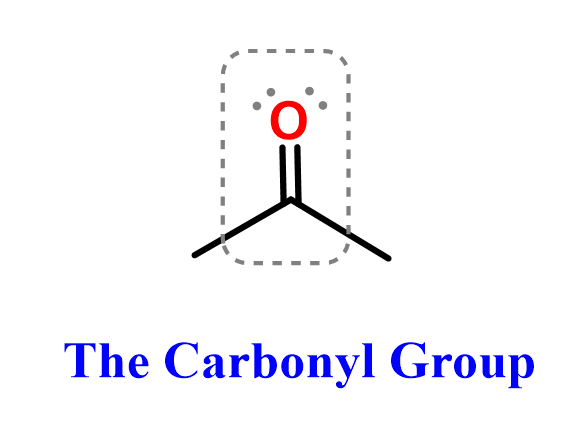
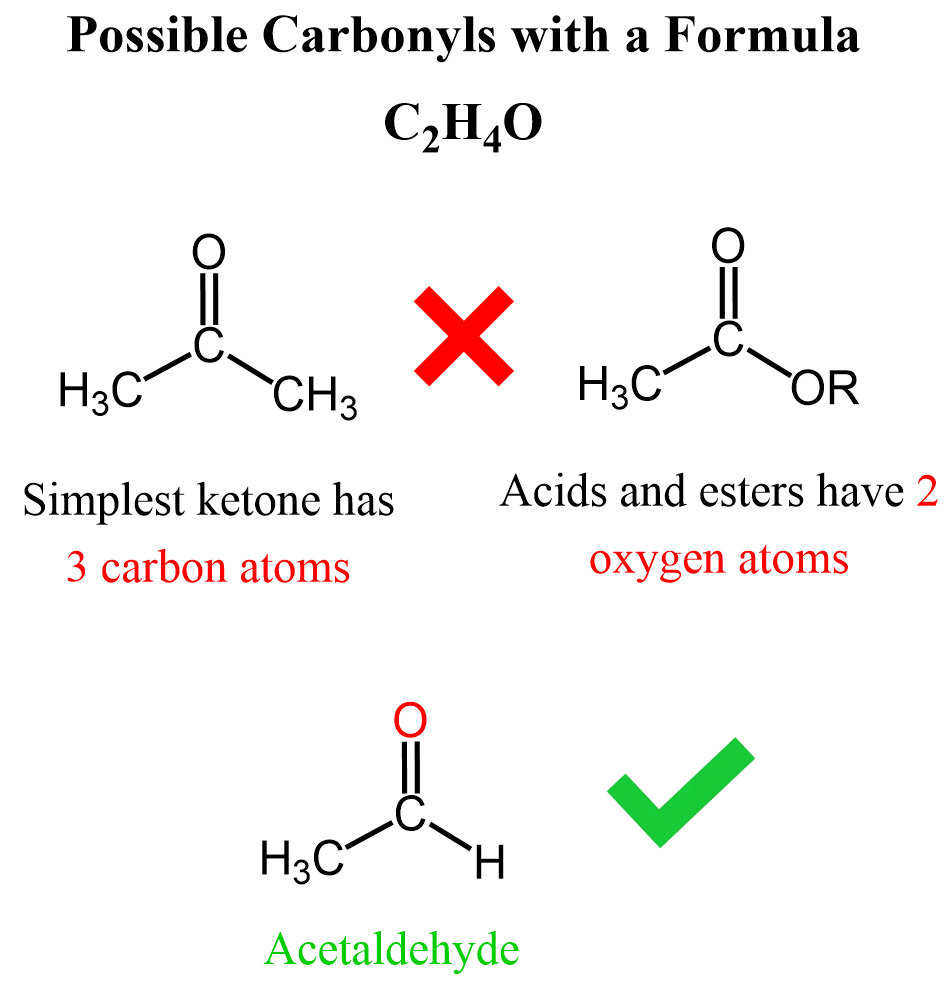
Now, many carbonyl-containing functional groups, such as carboxylic acids, esters, acid chlorides, etc., contain two oxygen atoms, and therefore only aldehydes and ketones represent the possible candidates for the formula C2H4O. The simplest ketone is acetone, which contains three carbon atoms. Therefore, the aldehyde with the molecular formula C2H4O is acetaldehyde, and it is the only carbonyl compound with this formula:
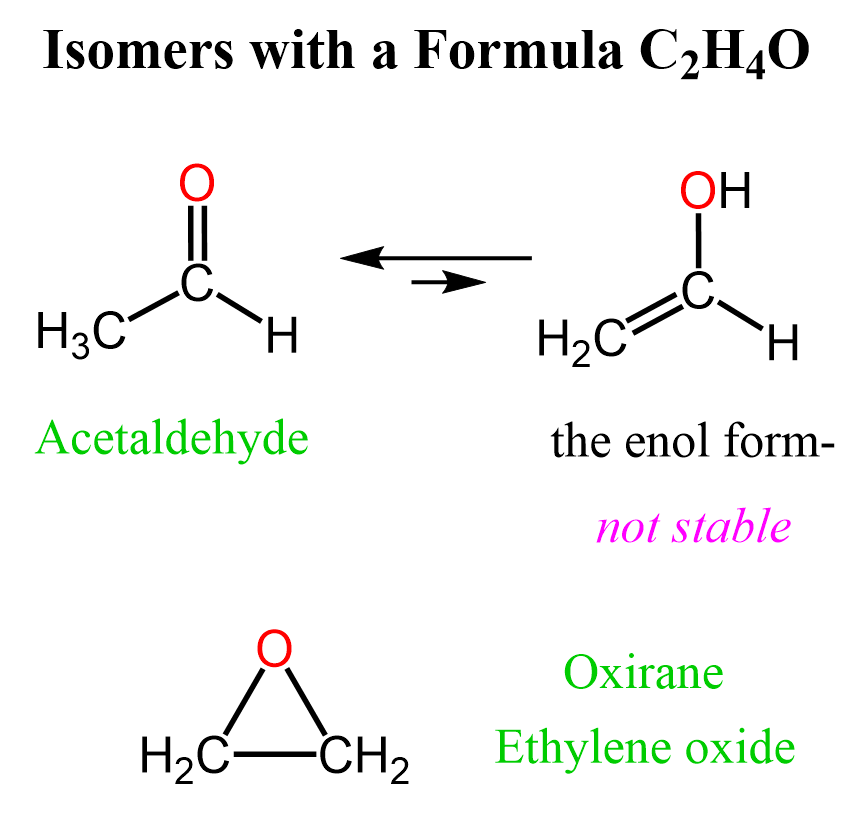
Although you may not be expected to know about enols, let’s also mention that these are the constitutional isomers of the corresponding carbonyl compounds. An enol contains an OH group connected to the C=C double bond:

The enol is always in equilibrium with the carbonyl compound via keto-enol tautomerization, although the latter is generally much more stable:

Do not worry about the instability of the sp2 C–OH bond and keto–enol tautomerization for now – it is a topic you will discuss later in the semester.
Cyclic Structures with the Molecular Formula of C2H4O
Remember, earlier we mentioned that one degree of unsaturation means either a π bond or a ring structure. Therefore, another possibility for the isomers is to have a ring with no double bonds in the molecule, is ethylene oxide, which is the simplest of epoxides. So let’s put all the constitutional isomers with the Molecular Formula of C2H4O:
Check Also
- Naming Alkanes by IUPAC Nomenclature Rules Practice Problems
- Naming Bicyclic Compounds
- Naming Bicyclic Compounds-Practice Problems
- How to Name a Compound with Multiple Functional Groups
- Primary, Secondary, and Tertiary Carbon Atoms in Organic Chemistry
- Constitutional or Structural Isomers with Practice Problems
- Degrees of Unsaturation or Index of Hydrogen Deficiency
- The Wedge and Dash Representation
- Sawhorse Projections
- Newman Projections with Practice Problems
- Staggered and Eclipsed Conformations
- Conformational Isomers of Propane
- Newman Projection and Conformational Analysis of Butane
- Newman Projection of Chair Conformation
- Gauche Conformation
- Gauche Conformation, Steric, Torsional Strain Energy Practice Problems
- Ring Strain
- Steric vs Torsional Strain
- Conformational Analysis
- Drawing the Chair Conformation of Cyclohexane
- Ring Flip: Drawing Both Chair Conformations with Practice Problems
- 1,3-Diaxial Interactions and A value for Cyclohexanes
- Ring-Flip: Comparing the Stability of Chair Conformations with Practice Problems
- Cis and Trans Decalin
- IUPAC Nomenclature Practice Problems
- IUPAC Nomenclature Summary Quiz
- Alkanes and Cycloalkanes Practice Quiz