
The theory of hard and soft acids, bases, nucleophiles, and electrophiles is often confusing for students, so, as always, we’ll do our best to make it a little more approachable.
Speaking of approachable, you may have noticed in yourself or other students that some prefer close group interactions, while others thrive in larger groups. Or perhaps a better example would be getting some tutoring help. Some students prefer remote/online tutoring, while others understand the material better through in-person tutoring.
So, leaving aside the conceptual part, we may exaggerate and say that some people like close interactions, while others do better from a distance, and it is not necessarily certain which one ends up giving better results.
The same principle applies to molecules and atoms, which is essentially what the hard and soft acids and bases (HSAB) theory describes. The main idea of this theory is that when two species interact, there are two factors that contribute to the overall interaction: 1) the ionic interaction and 2) the covalent interaction:
ΔE = Ionic Interactions + Orbital Interactions
This is a very simplified representation of the Klopman-Salem Equation, which we will get to later on:
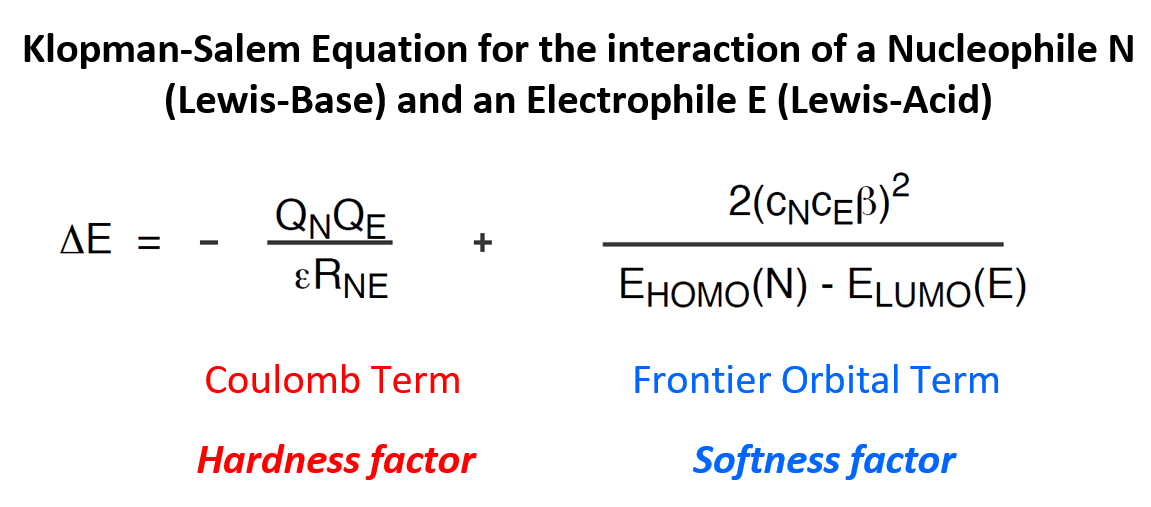
The ionic component, as the name suggests, tells us how much the interaction between these species resembles an electrostatic interaction. In other words, how much does this interaction resemble the Coulomb interaction between positively and negatively charged species? As an extreme but illustrative example, consider the interaction between Na⁺ and F⁻ ions. This is predominantly an ionic interaction, where the attraction between the oppositely charged ions comes from Coulombic forces:
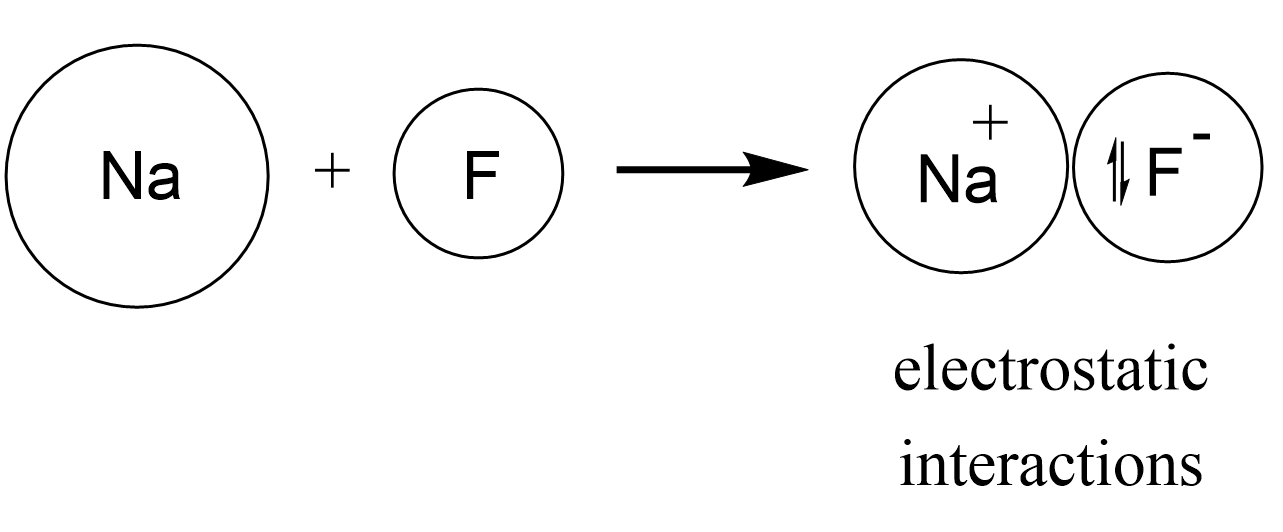
Although it may be incorrect to claim that there is no orbital interaction in NaF and similar ionic compounds, it is certainly true that the interaction is predominantly electrostatic and the molecular orbital is localized on fluorine rather than being shared between the two elements.
On the other hand, if we take a covalent bond and consider the interaction between its constituent atoms, we can say that there is certainly a significant covalent component there. For example, the C–O bond is a covalent bond, so the contribution by orbital interaction between carbon and oxygen is significant, although there is also an ionic component because the bond is polar:
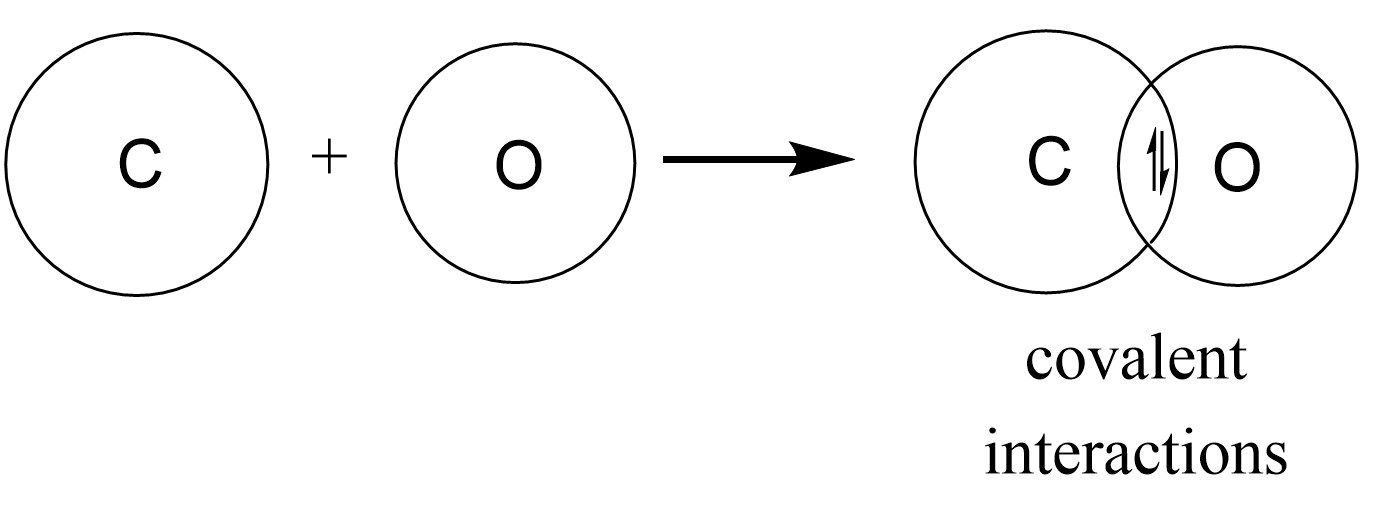
Of course, this is not an actual reaction- we are illustrating the type of interactions between different atoms.
The main difference we can point out between the above-mentioned bonding pairs is the electron pair distribution between the elements. Or, in other words, we can describe how much charge character the elements have in each pair.
Hopefully, so far this makes sense. Now, going back to hard and soft acids and bases, we generally classify acids and bases as hard when they have a high charge density. Na and F are ions, and they have as much charge density as elements can have, so we classify them as hard acids and bases.
This is not an absolute statement, though, because another important factor that makes an acid or a base hard is the size of the atom or ion. The smaller it is, the greater its charge concentration, and the more difficult it is to polarize its electron cloud. This contributes to the hard nature of the acids and bases. On the other hand, the larger the species, the more prone they are to act as soft acids and bases.
Recall the stability of resonance structures. We know that larger atoms, such as sulfur, can accommodate and distribute electron density over a more diffuse electron cloud. Their electron clouds are also more easily distorted, meaning that these atoms are more polarizable. In other words, their electron density is less tightly concentrated, and they stabilize charges better. For example, the resonance structure with the negative charge on sulfur here is a greater contributor to the resonance hybrid:

The same applies to HSAB theory: larger, more polarizable atoms and ions are generally softer acids and bases. For example, Li⁺ is a hard acid, while Ag⁺ is a soft acid. Ag⁺ is larger and more polarizable, and its interactions with soft bases tend to have greater covalent character than those of Li⁺:
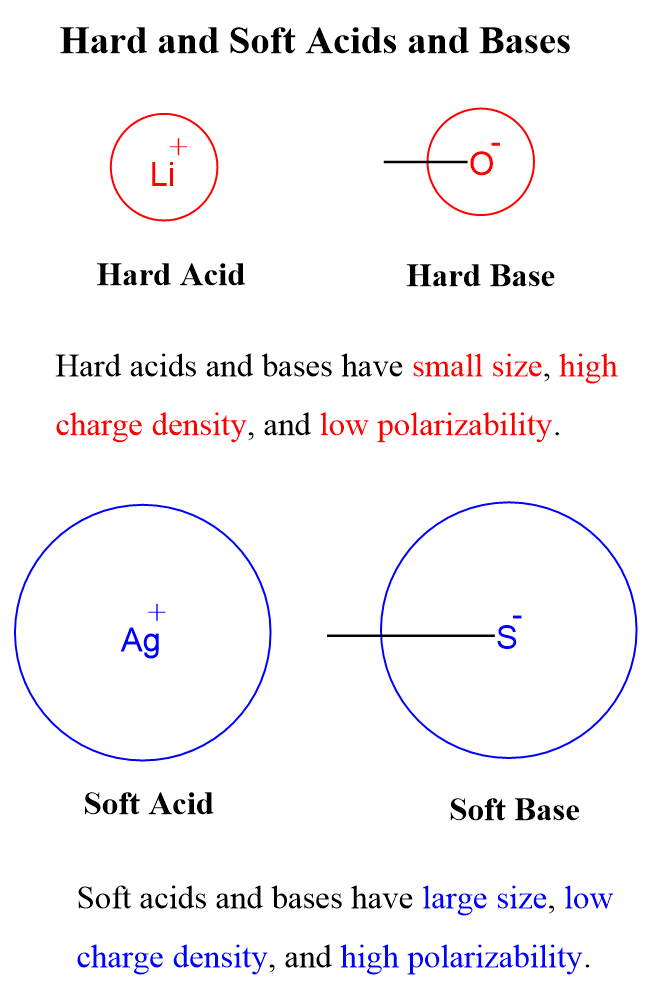
Acid-Base Interactions in HSAB Theory
The main implication of classifying molecules as hard or soft that you need to remember is that hard species interact better with other hard species, whereas soft species do so with their soft counterparts. Like in solubility, we can say that like interacts with like (likes dissolve likes).
Let’s look at this from an organic chemistry perspective. We know that sulfur is a great nucleophile due to its high polarizability. Its relatively diffuse electron cloud can interact effectively with electrophilic centers, particularly through covalent orbital interactions. For example, let’s consider this common SN2 reaction between a thiol and an alkyl iodide:
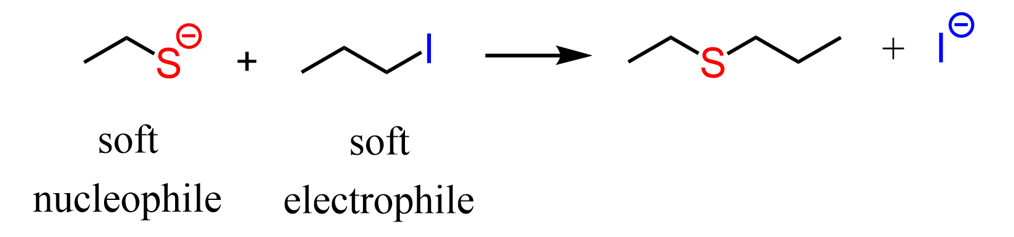
Both components are soft reactants, as they are more inclined to form covalent interactions.
You may, of course, say that the C–S bond is perfectly covalent, so what are we comparing here? To see why the covalent component is particularly important, let’s consider the reaction of a thiol, or even its conjugate base, with methyl vinyl ketone (MVK), which is an α, β-unsaturated carbonyl compound:
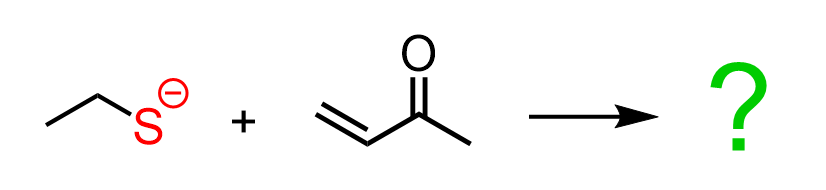
Remember that these compounds have two electrophilic sites, with partial positive charges on the carbonyl carbon and the beta carbon (terminal carbon in this case), which we can represent using the corresponding resonance structures:

What is more important here is that the partial positive charges on these carbons are not equal. According to calculated atomic charges, the carbonyl carbon generally has a greater partial positive charge. So, one might expect sulfur to attack this carbon rather than the terminal carbon:
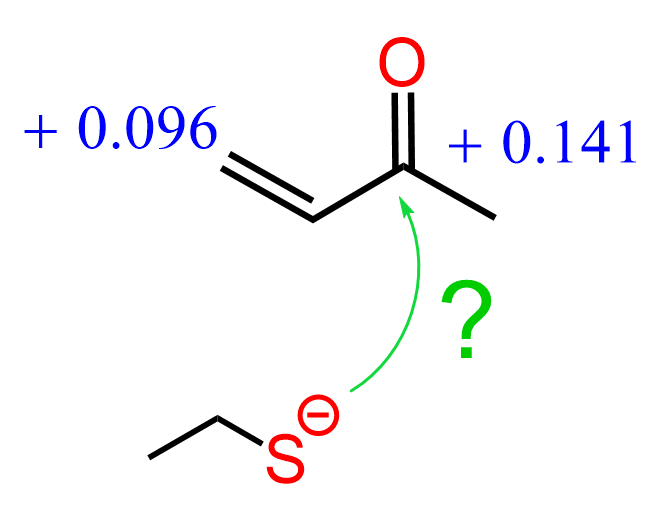
However, that is not what happens in the typical reaction between soft nucleophiles such as thiolates and α,β-unsaturated compounds with EWG.
Surprisingly, sulfur attacks the terminal (beta) carbon, forming a new C–S bond and ultimately giving a carbonyl compound with a sulfur substituent at the beta position. This is a 1,4-conjugate addition, or simply a conjugate addition reaction, also known as a Michael addition:
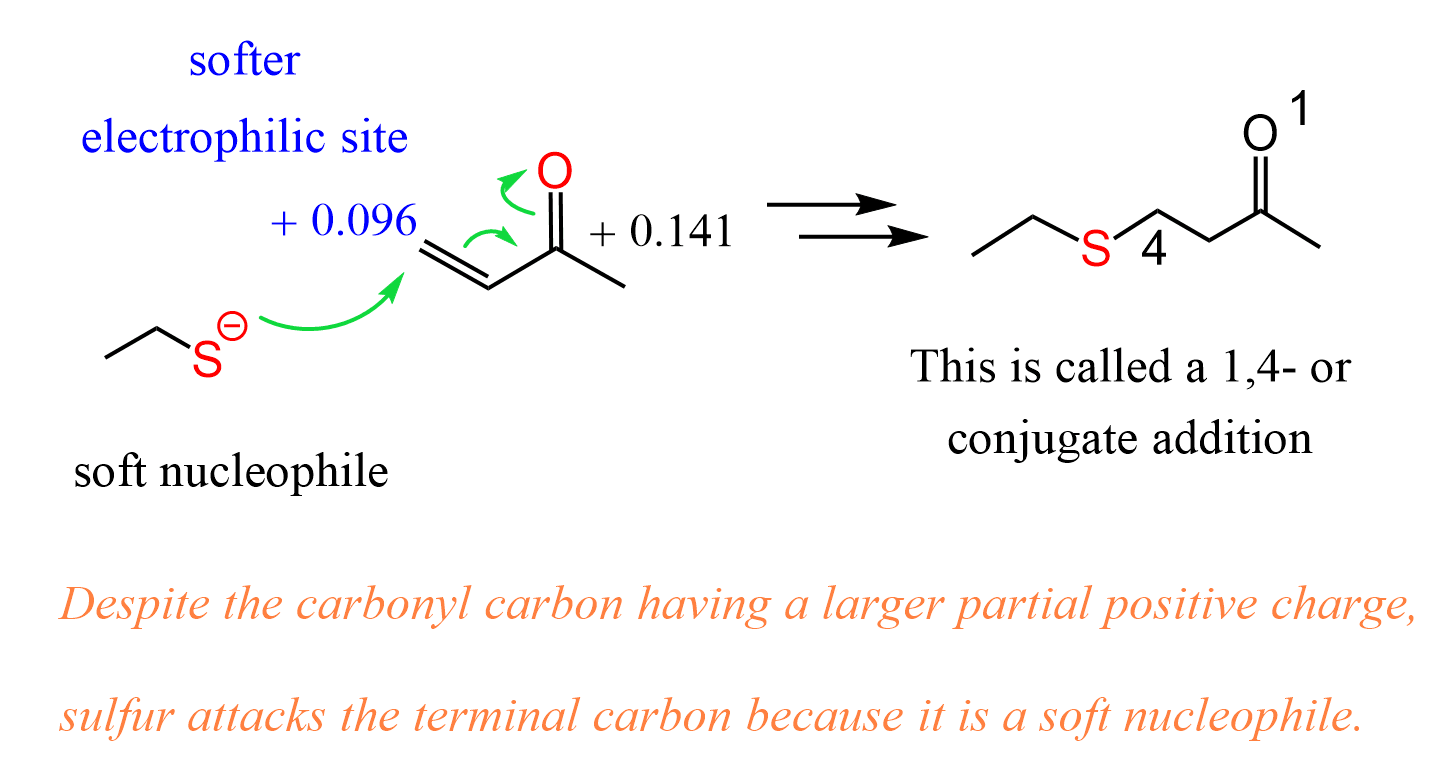
This is a good example of how a soft nucleophile can favor a reaction pathway that involves greater covalent orbital interaction rather than simply attacking the carbon with the greatest partial positive charge.
The question is still: what is there for sulfur to like about the terminal carbon? And the answer comes from looking at the molecular orbitals of the α,β-unsaturated carbonyl compound.
A quick reminder for those of you familiar with the main principles of MO theory in organic chemistry: the most important orbital interactions in many reactions occur between the HOMO of the nucleophile and the LUMO of the electrophile. These are the frontier molecular orbitals, which are particularly important in chemical reactions because their electrons are the most accessible for participating in orbital interactions. Review these principles in the post dedicated to the molecular orbitals of organic molecules to get more comfortable with this discussion.
As an example, below we have a demonstration of the HOMO and LUMO molecular orbitals of α,β-unsaturated carbonyl compounds:
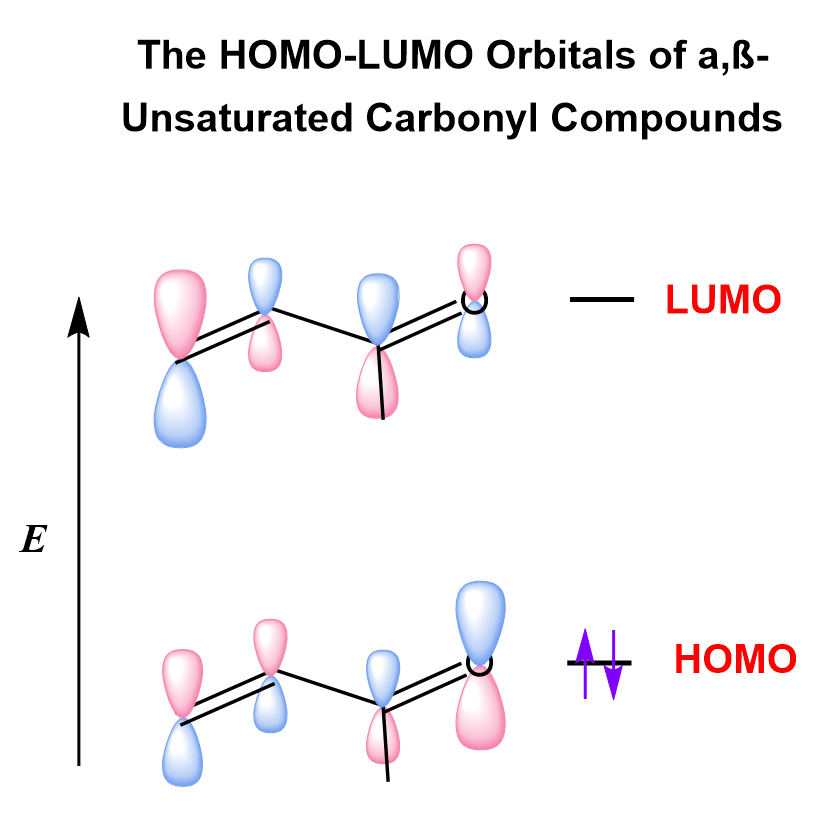
The HOMO is the highest-energy molecular orbital that contains electrons (Highest Occupied Molecular Orbital), and the LUMO is the lowest that is empty. So, when a Lewis base attacks these molecules, it is the LUMO orbital that accept the electrons since it is the lowest in energy.
As an analogy, think about the valence-shell electrons. These are the electrons in the outermost occupied energy levels, and they are the ones participating in chemical reactions because the core electrons are too tightly held close to the nucleus and require much more energy to be displaced:
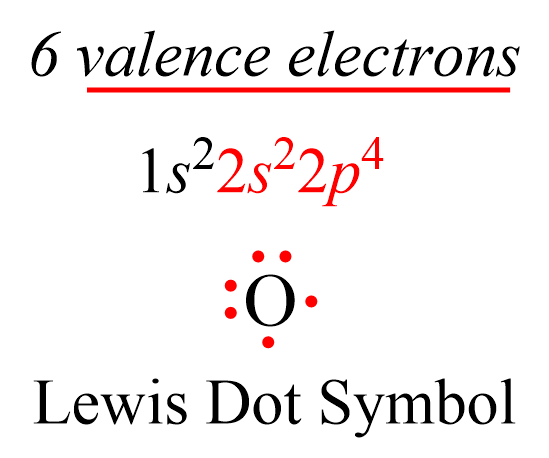
Likewise, when an atom accepts electrons, they go into the lowest possible empty orbital (think of an atom becoming an anion). For example, when chlorine accepts an electron to become Cl⁻, the electron goes into the 3p orbital, not 3d, because the latter is higher in energy.
Going back to the reaction between the thiol and the unsaturated ketone, we need to look at the orbital coefficients of the LUMO of the ketone. It turns out that the terminal (beta) carbon has a greater orbital coefficient in the LUMO than the carbonyl carbon.
This means that the LUMO has a greater contribution from the beta carbon, making it a particularly favorable site for interaction with the HOMO of the nucleophile, provided the orbitals have the appropriate overlap and orientation:
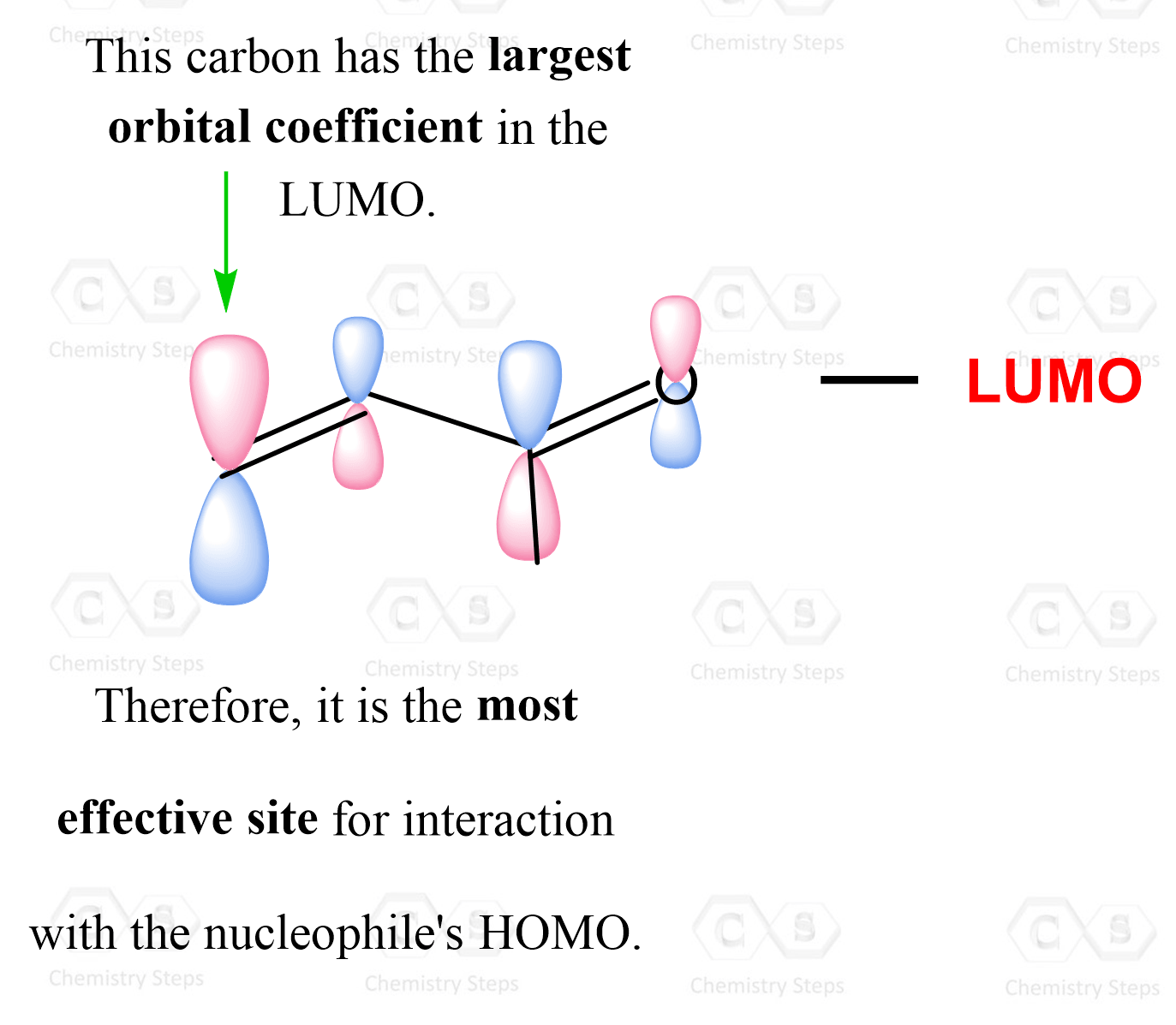
In simpler terms, we can say that sulfur can interact more effectively with the beta carbon through orbital interactions, even though the carbonyl carbon has a greater partial positive charge. So, rather than simply following the site with the greatest positive charge, sulfur favors the reaction pathway that allows more effective covalent orbital interaction as it is a soft nucleophile.
In the Klopman-Salem equation, the covalent component of this reaction predominates over the ionic component because the reactants are soft nucleophiles and electrophiles.
The HOMO-LUMO Gap in HSAB Theory
The next logical step here is to see why the covalent component predominates in interactions between soft acids and soft bases.
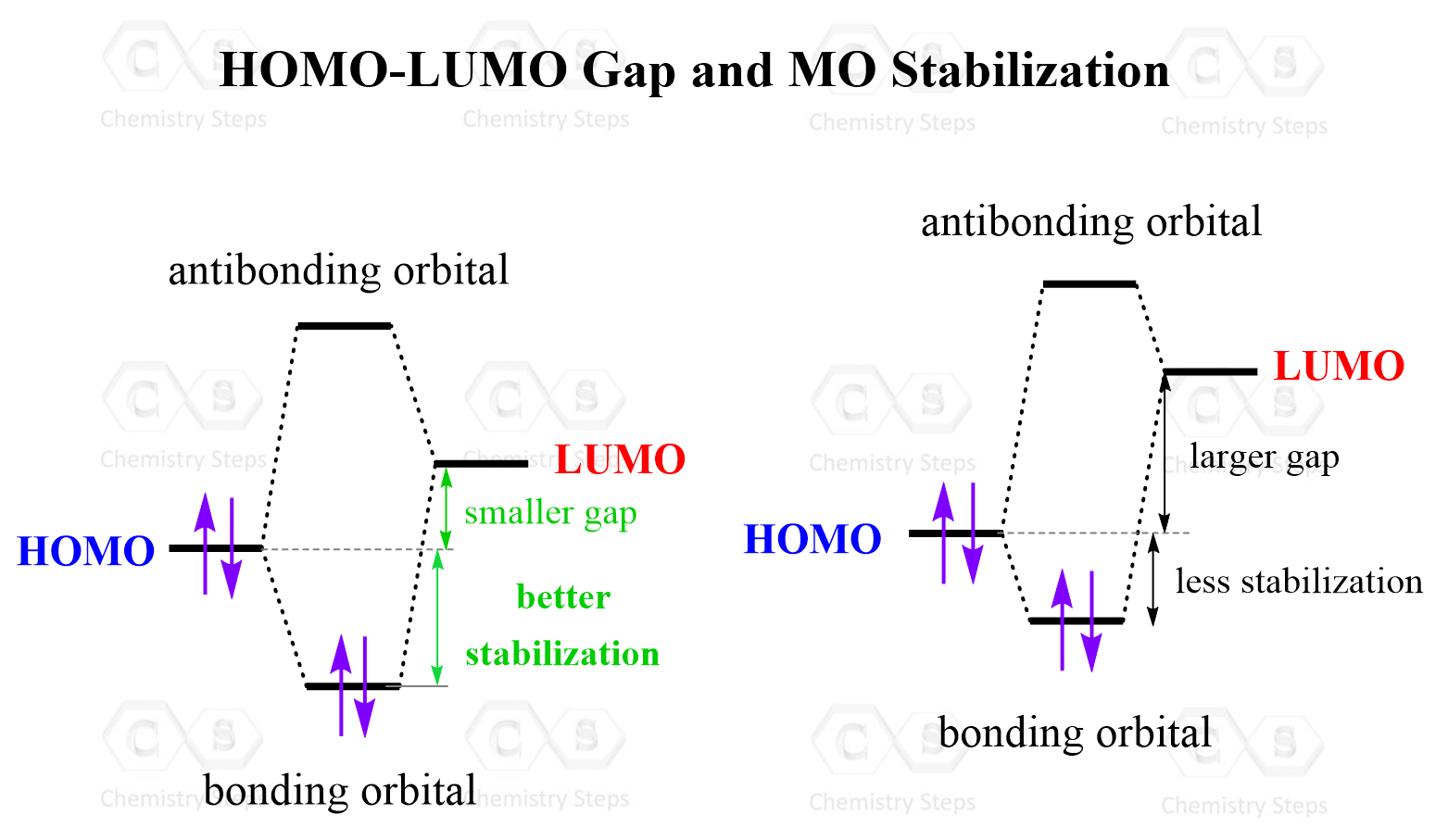
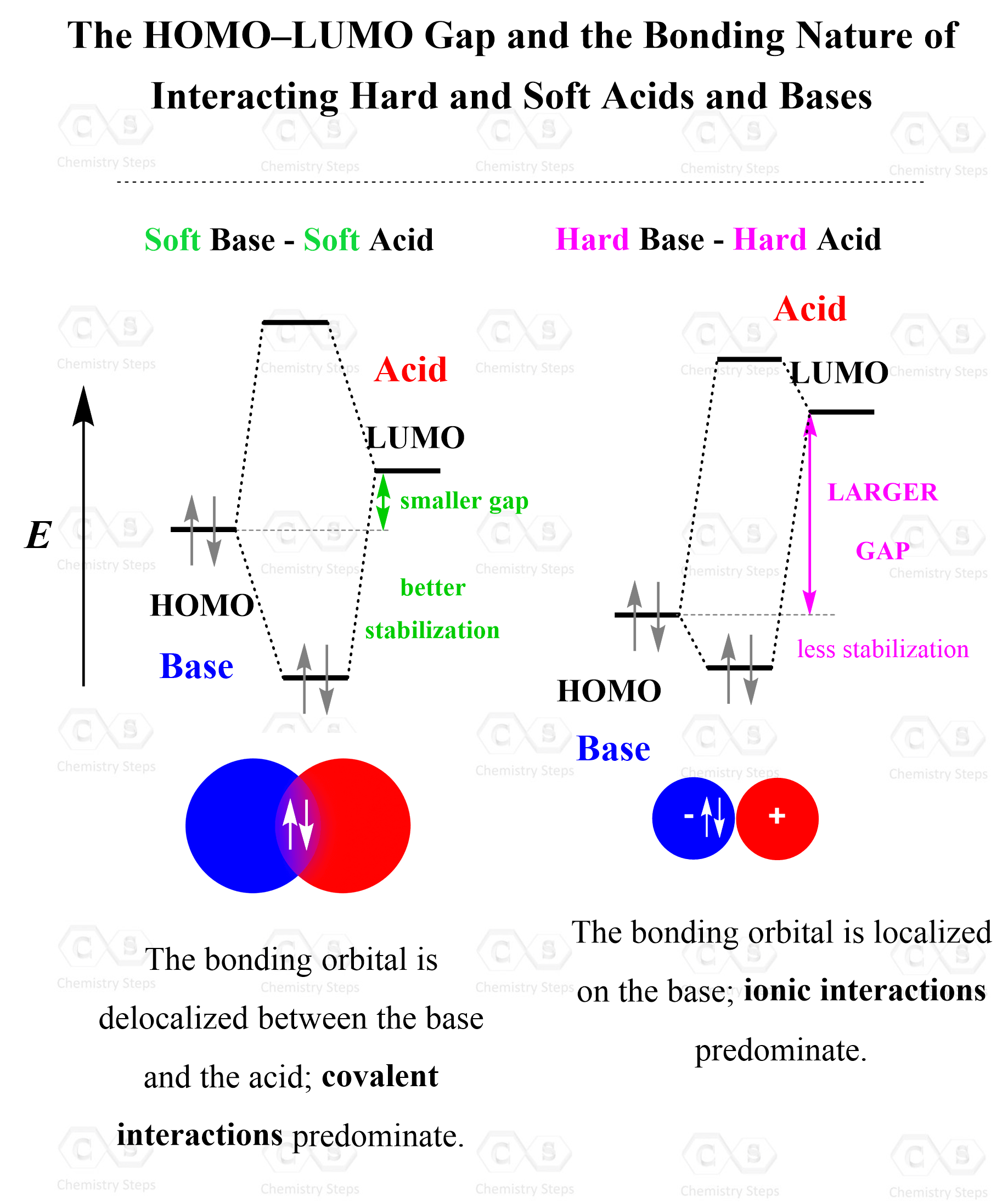
Before getting into the details, remember that the interaction between the HOMO of a base (nucleophile) and the LUMO of an acid (electrophile) is most efficient when these orbitals are close in energy. The smaller the energy gap between the interacting orbitals, the stronger their interaction generally becomes, resulting in greater stabilization- a lower-energy bonding orbital.
Conversely, the larger the energy gap, the weaker the orbital interaction and the smaller the stabilization resulting from this interaction:
So, what are the HOMO and LUMO Energies and Their Gaps in HSAB theory?
To keep this short, you need to remember that the HOMO-LUMO gap of the interacting species is smaller for soft bases and soft acids. Conversely, interacting hard acids and bases have a larger HOMO-LUMO gap. This is also true for the HOMO-LUMO gap of the individual species:
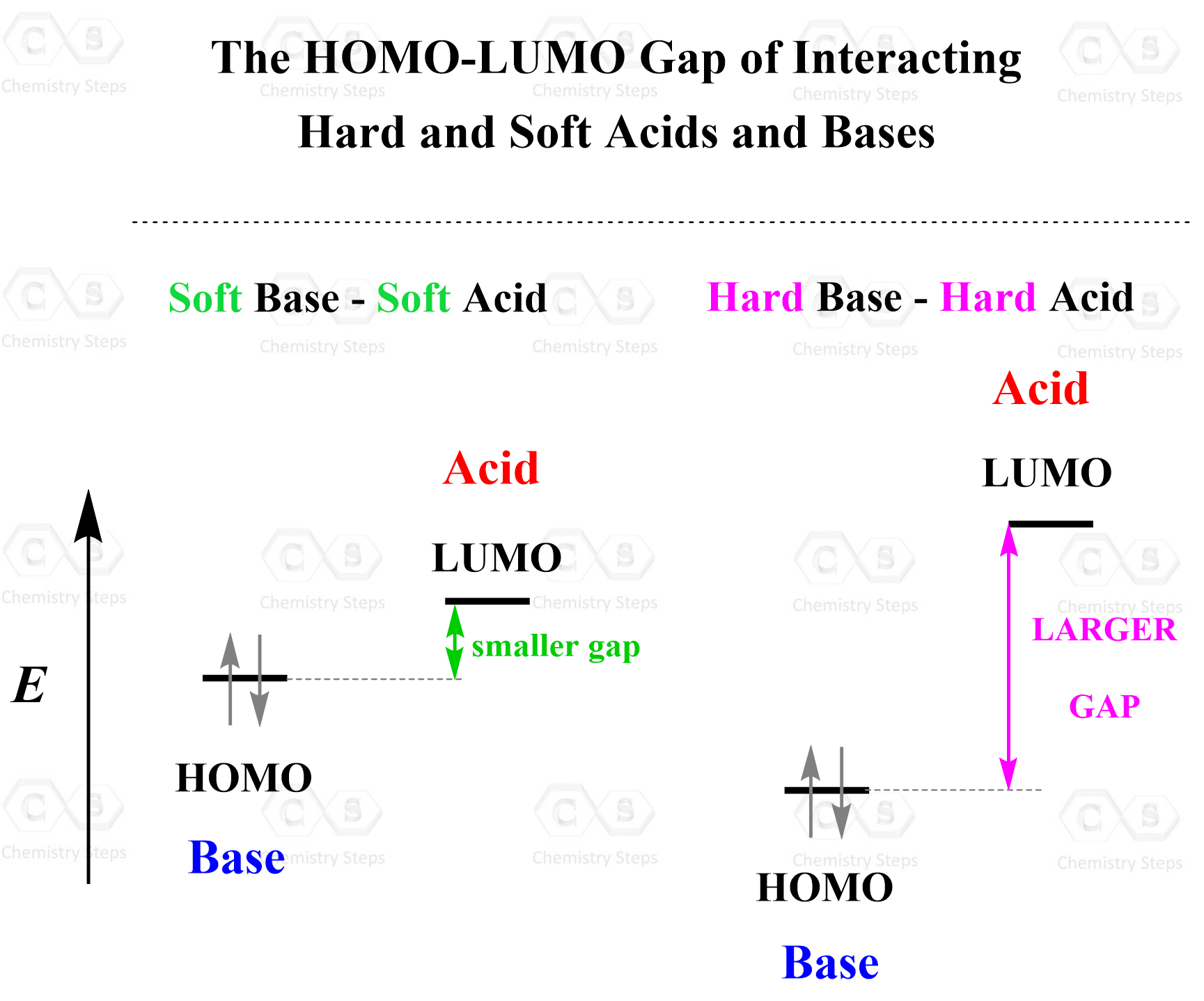
This means that, in the case of soft acids and bases, we are going to see greater efficiency and stabilization from the interaction of the HOMO and LUMO orbitals. Therefore, the interaction is largely covalent. On the other hand, when hard acids and bases react, they have relatively poor orbital interaction because of the large HOMO-LUMO gap, and therefore, the interaction is mainly ionic:
Once again, when we say the interaction is mainly ionic, it does not necessarily mean an ionic bond is formed. For example, if we use a Grignard or an organolithium reagent instead of a thiol, an organocopper reagent, cyanide, or another soft nucleophile, we get mainly 1,2 (direct) addition to the carbonyl group of α,β-unsaturated carbonyls:
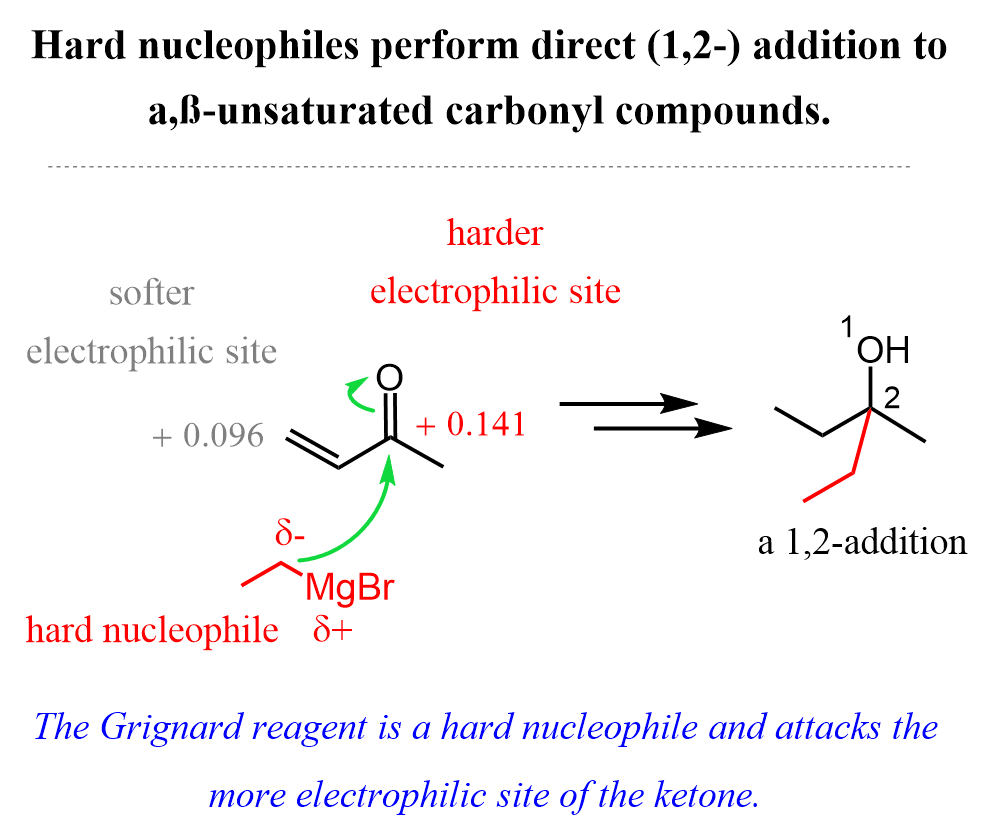
This is because Grignard and organolithium reagents are more polar. The C–Metal bond has more ionic character, and thus the carbon is a hard base.
On the other hand, we do a double alkylation of an α,β-unsaturated carbonyl using an organocopper reagent because it is a soft nucleophile. In the first step, it undergoes conjugate addition to the beta carbon, which is the soft electrophilic site. The resulting enolate intermediate itself then undergoes another soft-soft nucleophilic substitution with methyl iodide because it is also a soft electrophile:
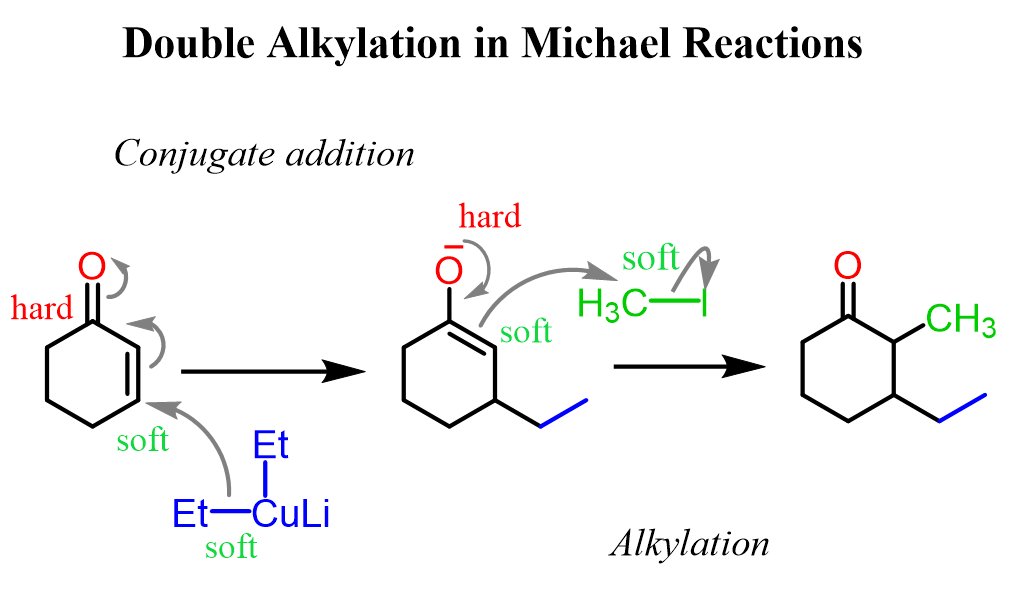
Notice that the oxygen of the intermediate enolate is the hard nucleophilic site, and it does not attack methyl iodide. Instead, the softer site, which is the carbon of the enolate, attacks methyl iodide, which is again a soft electrophile.
A common hard electrophile that reacts with the oxygen of an enolate is silicon (Si). Namely, we can use a silylating reagent, such as trimethylsilyl chloride (TMSCl), to make a silyl enol ether. This happens because the Si–Cl bond is strongly polarized toward chlorine, leaving the silicon atom with a substantial partial positive charge (δ⁺):
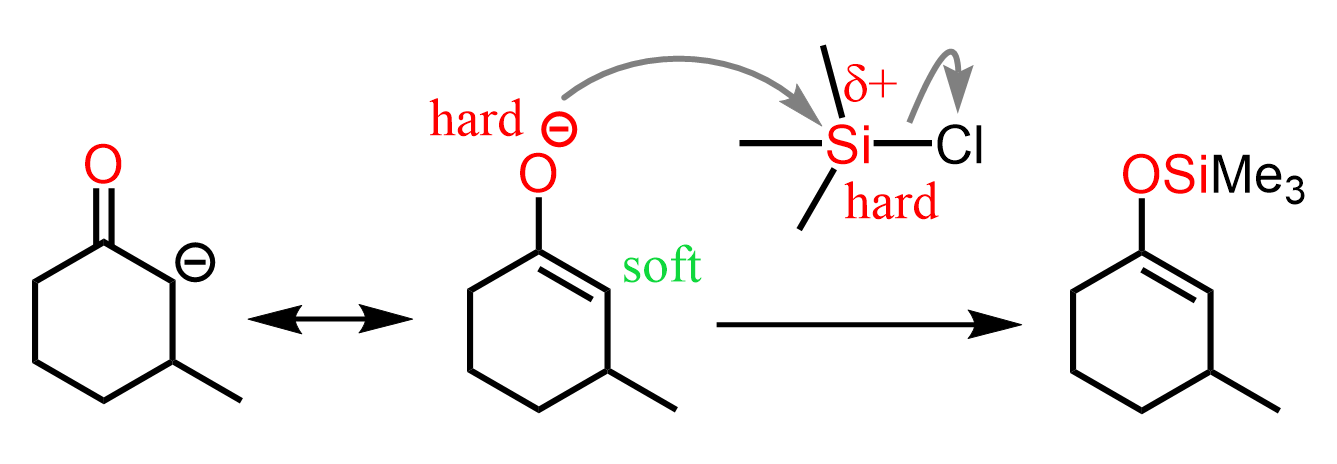
Therefore, silicon electrophiles are classified as hard electrophiles because they preferentially interact with hard nucleophiles, such as oxygen. The formation of a very strong Si–O bond provides an additional thermodynamic driving force for this reaction. Therefore, the oxygen of the enolate attacks silicon rather than the softer carbon site, resulting in an O-silylated product called a silyl enol ether.
The List of Common Hard and Soft Acids and Bases
Let’s also list the most common, or perhaps a broader range of, hard and soft acids and bases, based on the article Hard and Soft Acids and Bases by Ralph G. Pearson, and The Lewis Acid-Base Definitions: A Status Report by William B. Jensen:
 Classification of Hard and Soft Lewis Acids and Bases |
||
| Lewis Acids | ||
| Hard acids | Borderline acids | Soft acids |
|---|---|---|
| H⁺ Li⁺, Na⁺, K⁺ (Rb⁺, Cs⁺) Be²⁺, Be(CH₃)₂ Mg²⁺, Ca²⁺, Sr²⁺ (Ba²⁺) Sc³⁺, La³⁺, Ce⁴⁺, Gd³⁺, Lu³⁺ Th⁴⁺, U⁴⁺, UO₂²⁺, Pu⁴⁺ Ti⁴⁺, Zr⁴⁺, Hf⁴⁺ VO²⁺, Cr³⁺, Cr⁶⁺, MoO₃⁺, WO₄⁺ Mn²⁺, Mn⁷⁺, Fe³⁺ BF₃, BCl₃, B(OR)₃ Al³⁺, Al(CH₃)₃, AlCl₃, AlH₃ Ga³⁺, In³⁺ CO₂, RCO⁺, NC⁺, Si⁴⁺ Sn⁴⁺, CH₃Sn³⁺, (CH₃)₂Sn²⁺ SO₃, RSO₂⁺, ROSO₂⁺ HX (hydrogen-bonding molecules) CO₃²⁺, N₃⁺, RPO₂⁺, ROPO₂⁺, As³⁺ Cl⁺, Cl₇⁺, I₅⁺, I₇⁺ |
Fe²⁺ Co²⁺, Ni²⁺, Cu²⁺, Zn²⁺ Rh³⁺, Ir³⁺, Ru³⁺, Os²⁺ B(CH₃)₃, GaH₃ R₃C⁺, C₆H₅⁺ Sn²⁺, Pb²⁺ NO⁺, Sb³⁺, Bi³⁺ SO₂ |
Co(CN)₅³⁻ Pd²⁺, Pt²⁺, Pt⁴⁺ BH₃ Ga(CH₃)₃, GaCl₃, GaBr₃, GaI₃ Tl⁺, Tl(CH₃)₃ CH₂, carbenes π acceptors: trinitrobenzene, chloranil, quinones, tetracyanoethylene HO⁺, RO⁺, RS⁺, RSe⁺, Te⁴⁺, RTe⁺ Br₂, Br⁺, I₂, I⁺, ICN Bulk metals Cu⁺, Ag⁺, Au⁺ Cd²⁺, Hg⁺, Hg²⁺, CH₃Hg⁺ |
| Lewis Bases | ||
| Hard bases | Borderline bases | Soft bases |
|---|---|---|
| NH₃, RNH₂, N₂H₄ H₂O, ⁻OH, O²⁻ ROH, RO⁻, R₂O CH₃COO⁻ CO₃²⁻, NO₃⁻ PO₄³⁻, SO₄²⁻, ClO₄⁻ F⁻ (Cl⁻) |
C₆H₅NH₂ (aniline) C₅H₅N (pyridine) N₃⁻, N₂ NO₂⁻, SO₃²⁻ Br⁻ |
H⁻ C₂H₄ C₆H₆ ⁻CN RNC CO ⁻SCN R₃P, (RO)₃P, R₃As R₂S, RSH, RS⁻, S₂O₃²⁻ I⁻ |
You can also download this table of Hard and Soft Acids and Bases as a PDF file here.
Ralph G. Pearson was an American physical and inorganic chemist who made a major contribution to our understanding of Lewis acid-base interactions:
The material was published in the Journal of the American Chemical Society in 1963 (Pearson, R. G. Hard and Soft Acids and Bases. J. Am. Chem. Soc. 1963, 85 (22), 3533–3539. https://doi.org/10.1021/ja00905a001).
Jensen, W. B. The Lewis Acid-Base Definitions: A Status Report. Chem. Rev. 1978, 78 (1), 1–22. https://doi.org/10.1021/cr60311a001
Fleming, I. Molecular Orbitals and Organic Chemical Reactions; Wiley: Chichester, 2009.
Clayden, J.; Greeves, N.; Warren, S. Organic Chemistry, 2nd ed.; Oxford University Press: Oxford, 2012.
Distinction Between Acids and Bases and Electrophiles and Nucleophiles
The thing is, in HSAB theory, we are talking about Lewis acids and bases, which, remember, are classified according to their ability to accept or donate an electron pair. So, from the Lewis acid-base perspective, a base is an electron-pair donor and, in an organic reaction, typically acts as a nucleophile, while an acid is an electron-pair acceptor and typically acts as an electrophile.
Therefore, the reactants involved in essentially any polar (ionic) organic reaction can be classified as Lewis acids or Lewis bases, even though, in the classical sense, you might wonder what these species have to do with acids or bases. Remember that we are not necessarily talking about the familiar Brønsted acids and bases that donate or accept protons. We are using the broader Lewis definition, which focuses on electron-pair donation and acceptance. This is not necessarily the case for radical reactions, which involve the movement of single electrons rather than electron pairs.
This is what I wanted to share about the Hard and Soft Lewis Acid-Base Theory. I hope this helps make the topic a little easier to understand.
Feel free to ask questions, share your thoughts, or point out anything I may have missed in the comments. I’d be happy to discuss it further.
Reference
The material was published in the Journal of the American Chemical Society in 1963 (Pearson, R. G. Hard and Soft Acids and Bases. J. Am. Chem. Soc. 1963, 85 (22), 3533–3539. https://doi.org/10.1021/ja00905a001).
Jensen, W. B. The Lewis Acid-Base Definitions: A Status Report. Chem. Rev. 1978, 78 (1), 1–22. https://doi.org/10.1021/cr60311a001
Fleming, I. Molecular Orbitals and Organic Chemical Reactions; Wiley: Chichester, 2009.
Clayden, J.; Greeves, N.; Warren, S. Organic Chemistry, 2nd ed.; Oxford University Press: Oxford, 2012.
Check Also
- Michael Addition Reaction
- Gilman Reagent
- Grignard Reagent
- The Molecular Orbital Theory of Organic Molecules
- The Molecular Orbital of Acetylene
- The Molecular Orbitals of Carbonyls
- Orbital Coefficients, HOMO-LUMO Interactions, and Reactivity
- Molecular Orbitals and UV-Vis Spectroscopy
- Molecular Orbitals of 1,3-Butadiene
- 1,3,5-Hexatriene Pi Molecular Orbitals
- The Molecular Orbitals of Allylic Systems
- The Molecular Orbitals of Benzene
- Molecular Orbitals in Diels-Alder and Other Cycloaddition Reactions
- Diels-Alder Reactions: EWG, EDG, and MO Interactions
- Electrocyclic Reactions
- Claisen and Cope Rearrangements
- Sigmatropic Hydrogen Shifts
- Pericyclic Reactions Practice Problems