Introduction to Lactams
Lactams are cyclic amides, and they are classified according to the size of the ring containing the amide group. The naming uses Greek letters that indicate how many carbon atoms lie between the nitrogen and the carbonyl group in the corresponding open-chain precursor.
β-lactams are four-membered rings, γ-lactams are five-membered rings, and δ-lactams are six-membered rings. As the ring size increases, the strain generally decreases, so larger lactams are more stable and commonly found in natural products and pharmaceuticals.
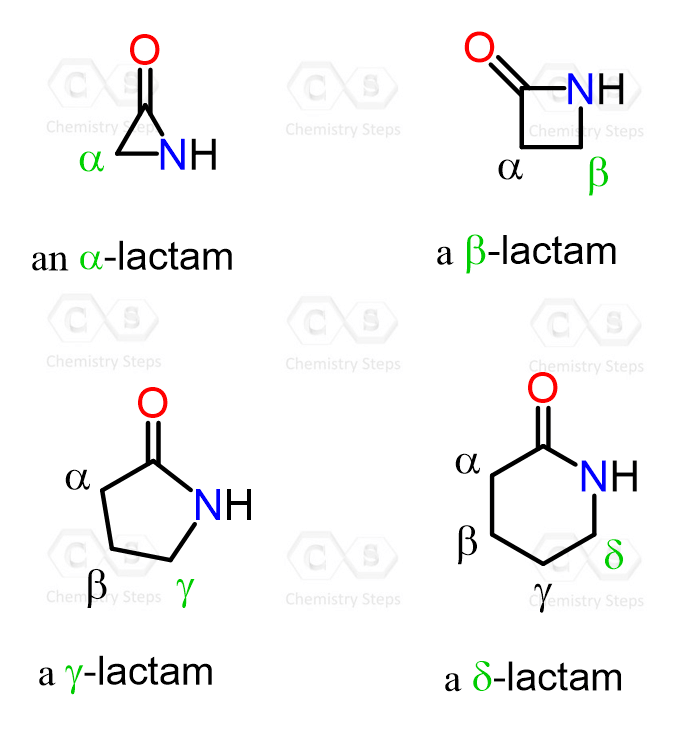
An exception is the so-called α-lactams, which correspond to three-membered cyclic amides (aziridinones). These are highly strained and very reactive, and they are not part of the usual stable lactam series. They exist only in special cases and are generally treated as reactive intermediates rather than typical functional groups.
Among all, β-lactams are some of the most important compounds ever discovered in chemistry and medicine. In fact, the discovery of β-lactam antibiotics has likely saved more lives worldwide than any other development in medicinal chemistry.
The story began in 1928 when Alexander Fleming made a famous accidental discovery. While growing colonies of Staphylococcus bacteria, one of his petri dishes became contaminated with the mold Penicillium notatum.
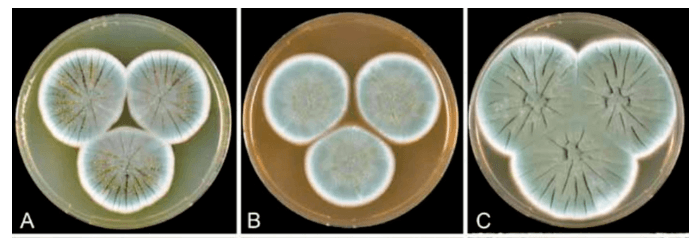
Image from wiki
Fleming noticed that bacteria failed to grow near the mold and correctly concluded that it was producing an antibacterial substance, which he named penicillin. However, turning this observation into a practical medicine required years of work by Howard Florey, Ernst Chain, Norman Heatley, and many others who helped develop methods for isolating and producing penicillin on a large scale. By 1943, penicillin was already being used to treat wounded soldiers during World War II, and shortly afterward, it became available to the general population. Fleming, Florey, and Chain were awarded the 1945 Nobel Prize in Physiology or Medicine for their pioneering work.
Structurally, penicillins contain an unusual and highly strained four-membered cyclic amide known as a β-lactam ring. In penicillins, this β-lactam is fused to a five-membered sulfur-containing thiazolidine ring.
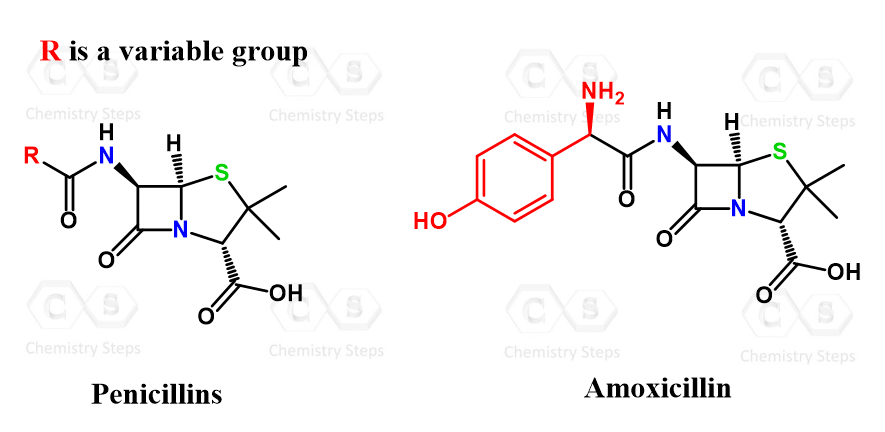
Although different penicillins vary in the substituent attached to the acyl side chain, they all share the same core β-lactam framework, which is responsible for their biological activity.
Soon after penicillin entered widespread use, resistant bacterial strains began to emerge. This led chemists to develop new generations of β-lactam antibiotics such as ampicillin, methicillin, and amoxicillin, each designed to improve activity or overcome resistance.
Because of their enormous biological importance and their unique strained amide structure, β-lactams occupy a central place in both organic chemistry and medicinal chemistry.
Preparation of Lactams
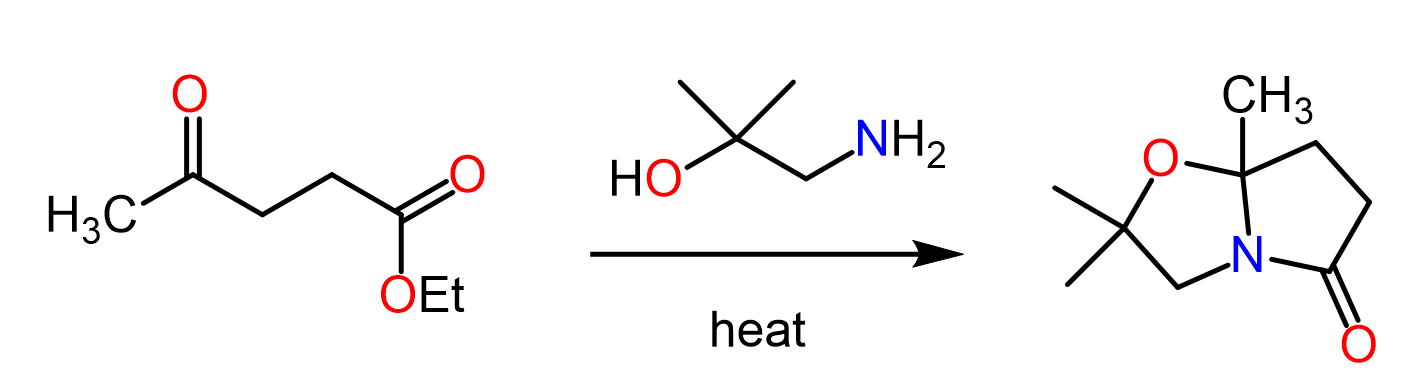
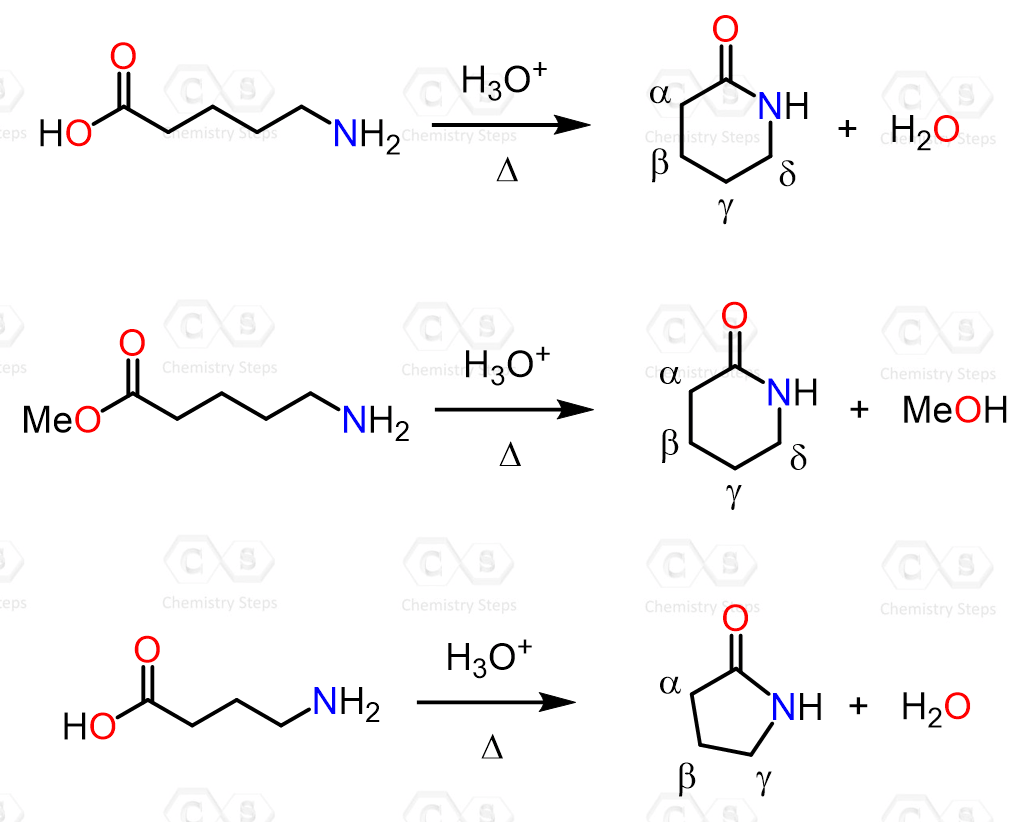
The simplest and most common way of preparing lactams is the intramolecular condensation of amino acids or amino esters, which typically requires heating because the reaction involves the formation of a cyclic amide from an amine and a carboxylic acid (or ester), and these functional groups are not highly reactive toward direct amide bond formation without activation.
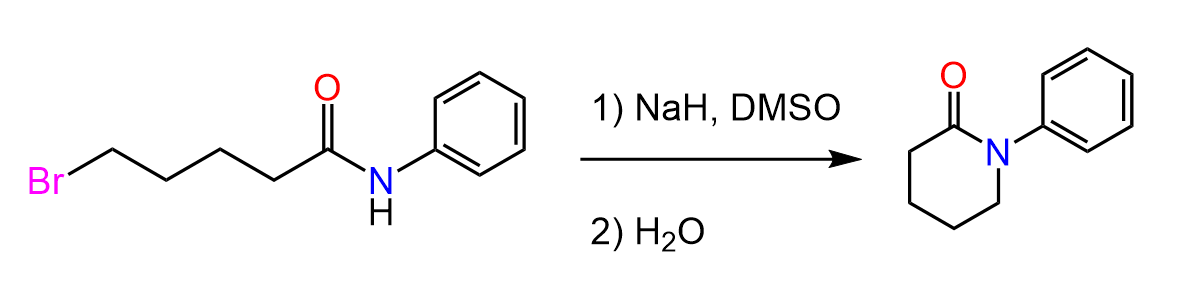
One strategy for forming a lactam is the intramolecular SN2 substitution of a haloamide, in which a nitrogen atom within the same molecule attacks the carbon bearing the leaving group, closing the ring to give the cyclic amide (J. Org. Chem. 1967, 32, 4, 1246–1248). This process is favored when the chain length allows formation of five- or six-membered rings, since these ring sizes provide the best balance of kinetics and stability. The reaction typically requires a base or strongly nucleophilic conditions to increase the reactivity of the nitrogen, because amide nitrogens are normally weak nucleophiles due to resonance with the carbonyl group.
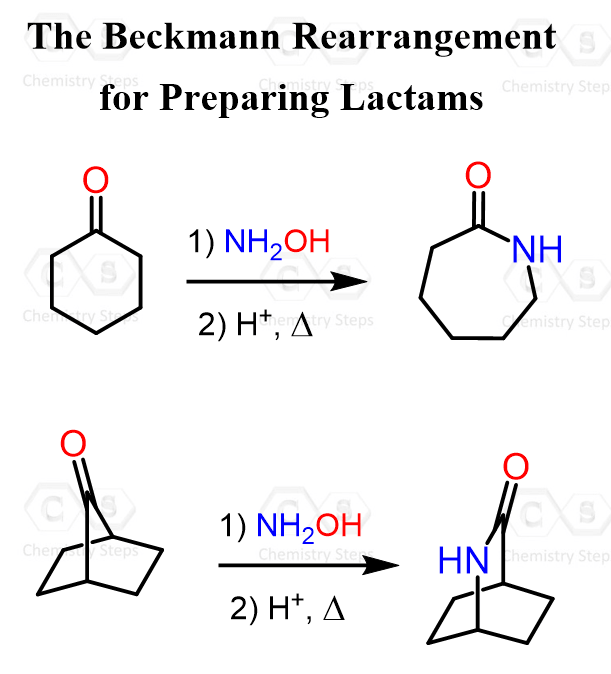
Another important method for synthesizing lactams is the Beckmann rearrangement of ketoximes, where an oxime is converted under acidic conditions into a rearranged amide. In cyclic systems, this reaction directly leads to lactams, and it is especially valuable for forming medium-sized rings such as ε-lactam (caprolactam), which is an important precursor to nylon-6.
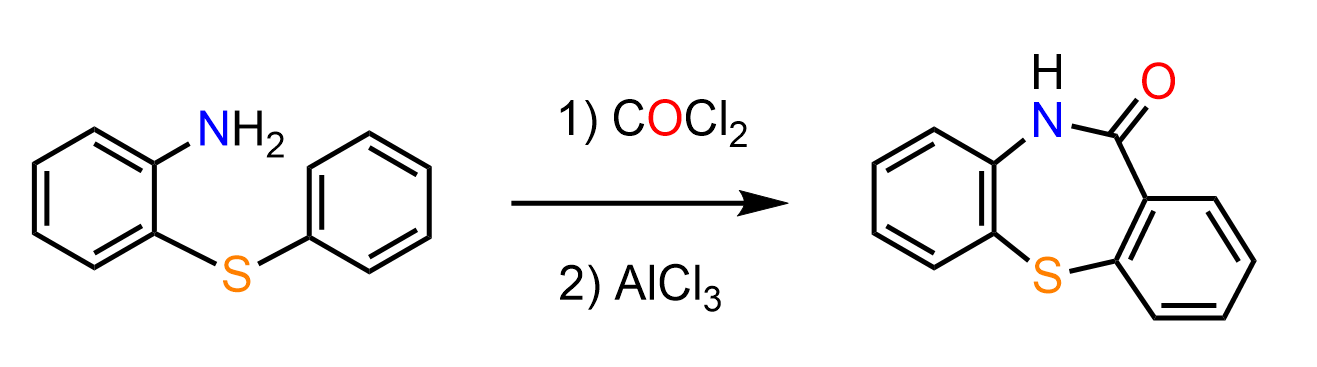
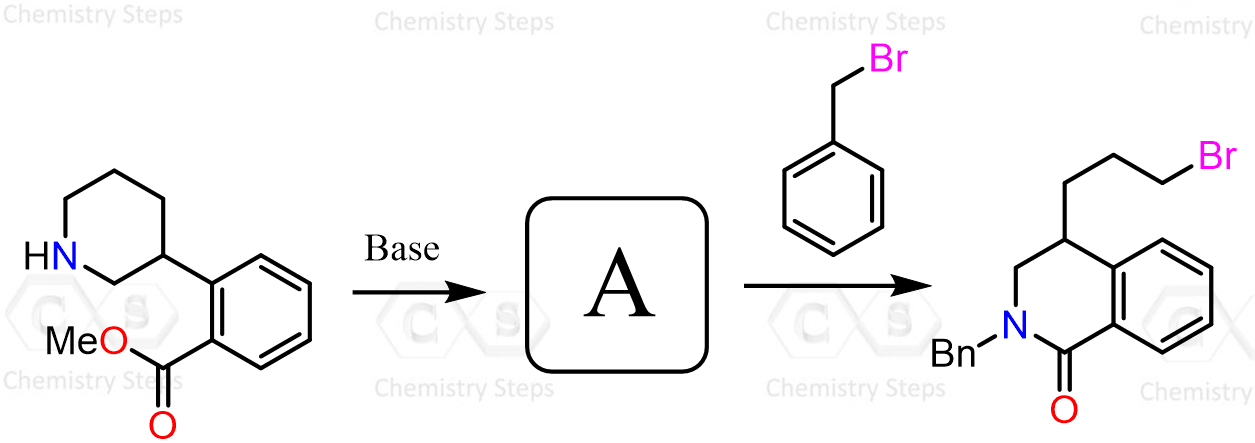
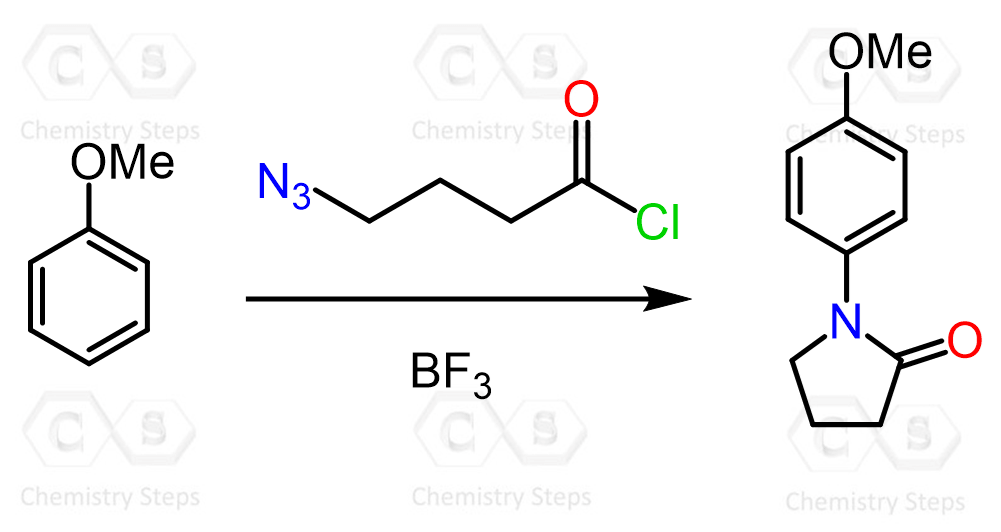
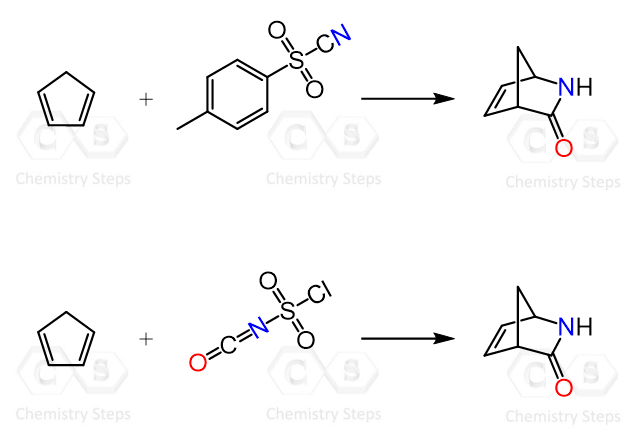
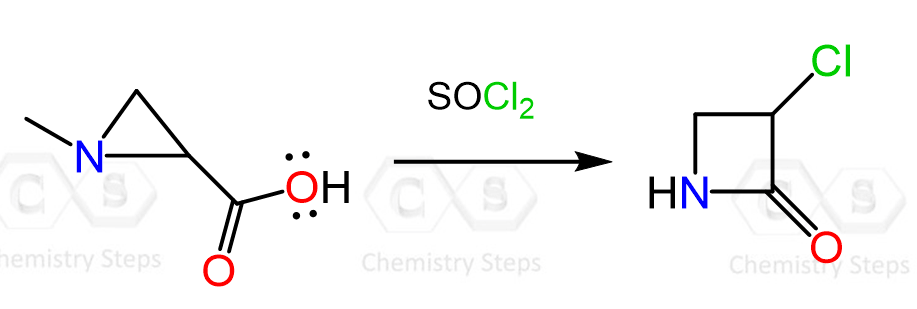
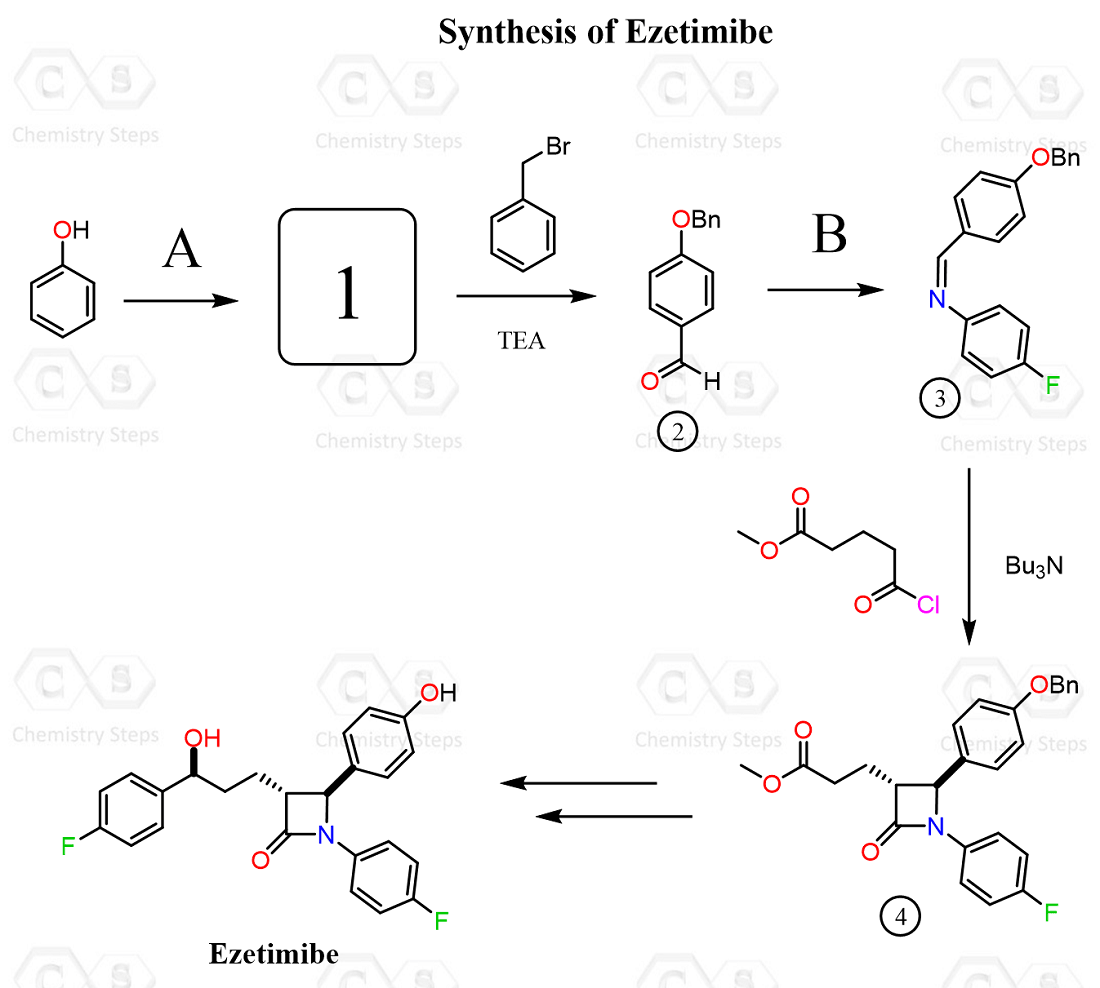
Below are some additional examples to practice the formation of lactams, chosen because they are more interesting and challenging and help you build a better feel for how these reactions work in different situations.