Tropane Alkaloids and the Synthesis of Atropine

tropane alkaloids atropine cocaine

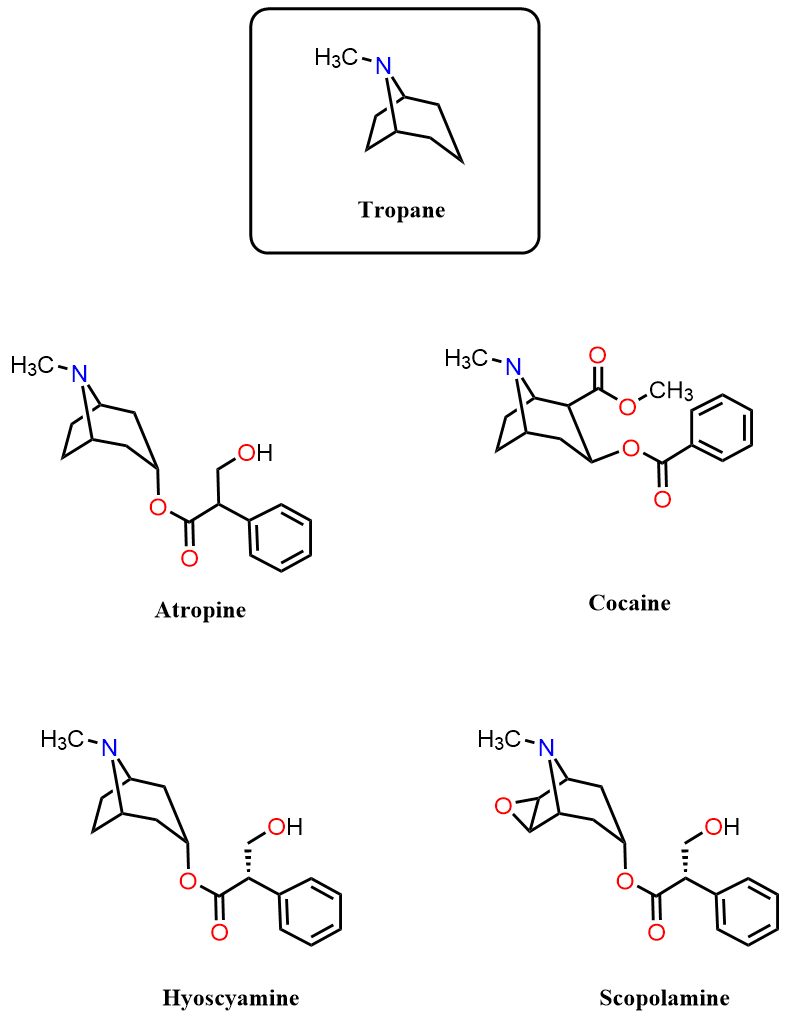
In today’s post, we will discuss the structures of some common Tropane Alkaloids, such as Atropine, Hyoscyamine, Scopolamine, and Cocaine. These naturally occurring compounds share the bicyclic tropane framework and play major roles in pharmacology, medicinal chemistry, and organic synthesis … Read more

Synthesis of Pethidine aka Meperidine

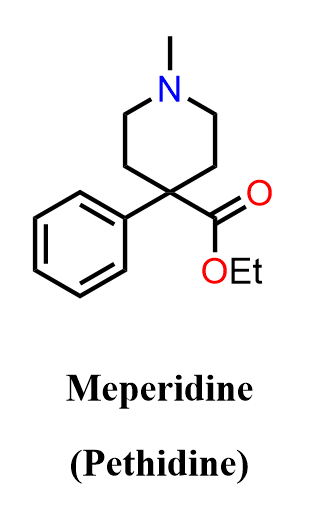
Pethidine, also known as meperidine and marketed under the name Demerol, is a fully synthetic opioid of the phenylpiperidine class. Unlike morphine-based analgesics, its structure arises entirely from laboratory synthesis, making it a classic example of how multiple fundamental organic … Read more

Synthesis of Benzocaine

Benzocaine is a classic local anesthetic widely discussed in organic chemistry because its synthesis showcases foundational aromatic substitution and ester-forming reactions. Its structure is built on a para-aminobenzoate framework, and preparing it typically involves introducing the amino group onto the … Read more

Synthesis of Acetaminophen (Tylenol)

Acetaminophen (paracetamol, Tylenol) is a widely used analgesic and antipyretic that reduces pain and fever by inhibiting prostaglandin synthesis in the central nervous system. Its structure features a phenolic hydroxyl group and an amide functionality, making it a simple yet … Read more

Synthesis of Diazepam

diazepam

Diazepam (Valium) is a widely used benzodiazepine medication prescribed for anxiety disorders, muscle spasms, seizures, and insomnia. Its structure features a fused benzodiazepine ring system, making it an excellent example of how heterocycles are constructed through sequential functional-group transformations. In … Read more

Synthesis of Ibuprofen

Ibuprofen, the active ingredient in brands such as Advil, is a widely used non-steroidal anti-inflammatory drug (NSAID) that reduces pain, fever, and inflammation by inhibiting the cyclooxygenase (COX) enzymes responsible for prostaglandin synthesis. It is one of the most common … Read more

Carbon Nucleophiles

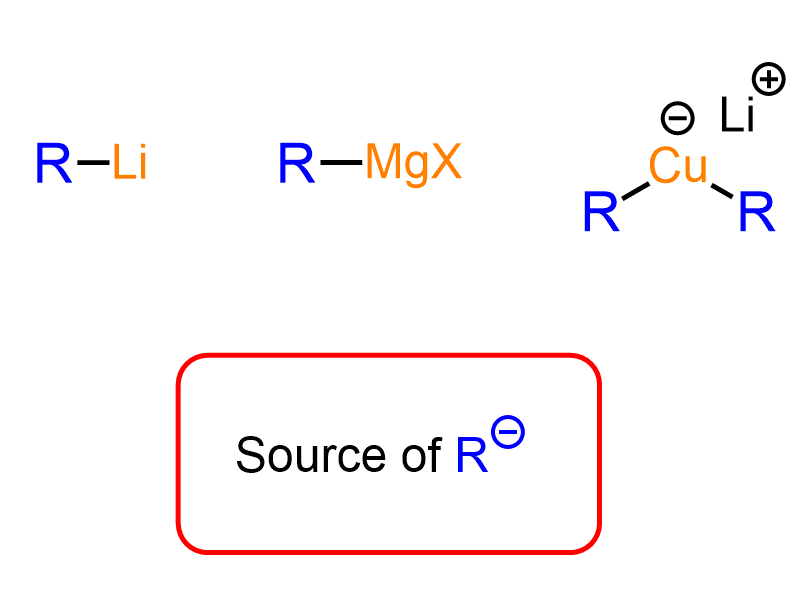
So far, we’ve seen a variety of nucleophiles in organic chemistry – halides, hydroxides, alkoxides, thiols, etc. Most of these nucleophiles contain heteroatoms like oxygen, nitrogen, or sulfur, but nucleophiles can also be carbon-based, and these are among the most … Read more