Synthesis of Lidocaine

Lidocaine is a widely used local anesthetic and antiarrhythmic drug that works by blocking voltage-gated sodium channels, preventing nerve signal transmission. Its structure contains both an aromatic amide and a tertiary amine side chain, making it an excellent example of … Read more

Synthesis of Diazepam

diazepam

Diazepam (Valium) is a widely used benzodiazepine medication prescribed for anxiety disorders, muscle spasms, seizures, and insomnia. Its structure features a fused benzodiazepine ring system, making it an excellent example of how heterocycles are constructed through sequential functional-group transformations. In … Read more

Synthesis of Ibuprofen

Ibuprofen, the active ingredient in brands such as Advil, is a widely used non-steroidal anti-inflammatory drug (NSAID) that reduces pain, fever, and inflammation by inhibiting the cyclooxygenase (COX) enzymes responsible for prostaglandin synthesis. It is one of the most common … Read more

Synthesis of Prozac (Fluoxetine)

Fluoxetine (Prozac)

Prozac (Fluoxetine) is a widely used antidepressant belonging to the class of selective serotonin reuptake inhibitors (SSRIs). It increases serotonin levels in the brain by inhibiting its reabsorption, which helps improve mood and treat depression, anxiety disorders, and OCD.   … Read more

Carbon Nucleophiles

So far, we’ve seen a variety of nucleophiles in organic chemistry – halides, hydroxides, alkoxides, thiols, etc. Most of these nucleophiles contain heteroatoms like oxygen, nitrogen, or sulfur, but nucleophiles can also be carbon-based, and these are among the most … Read more

Activating and Deactivating Groups

Activating and Deactivating Groups Electrophilic aromatic substitution EAS Reactions

We have seen earlier that in electrophilic aromatic substitutions, it is the benzene ring that provides the electrons to react with electron-deficient species – electrophiles.Therefore, the more electron density we supply to benzene, the more reactive it becomes in EAS … Read more

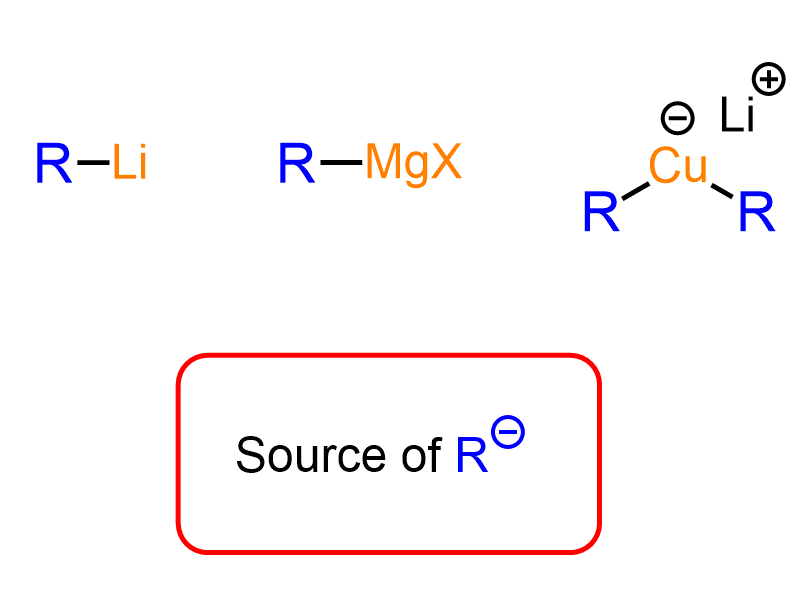
Grignard (RMgX), Organolithium (RLi), and Gilman (R2CuLi) Reagents: Summarizing Their Reactions

Reaction of Grignard RMgBr, Organolithium RLi, and Gilman R2CuLi Reagents

In this article, we will summarize and compare the reactions of Grignard (RMgX), Gilman (R2CuLi), and organolithium (RLi) reagents. Let’s first see what unites and makes their properties similar or at least creates a pattern for us to predict the … Read more