Malonic Ester Synthesis
In the previous post, we talked about the acetoacetic ester synthesis, which is used for preparing ketones having one or two alkyl groups on the ɑ position: Another way to look at this reaction is to say that … Read more
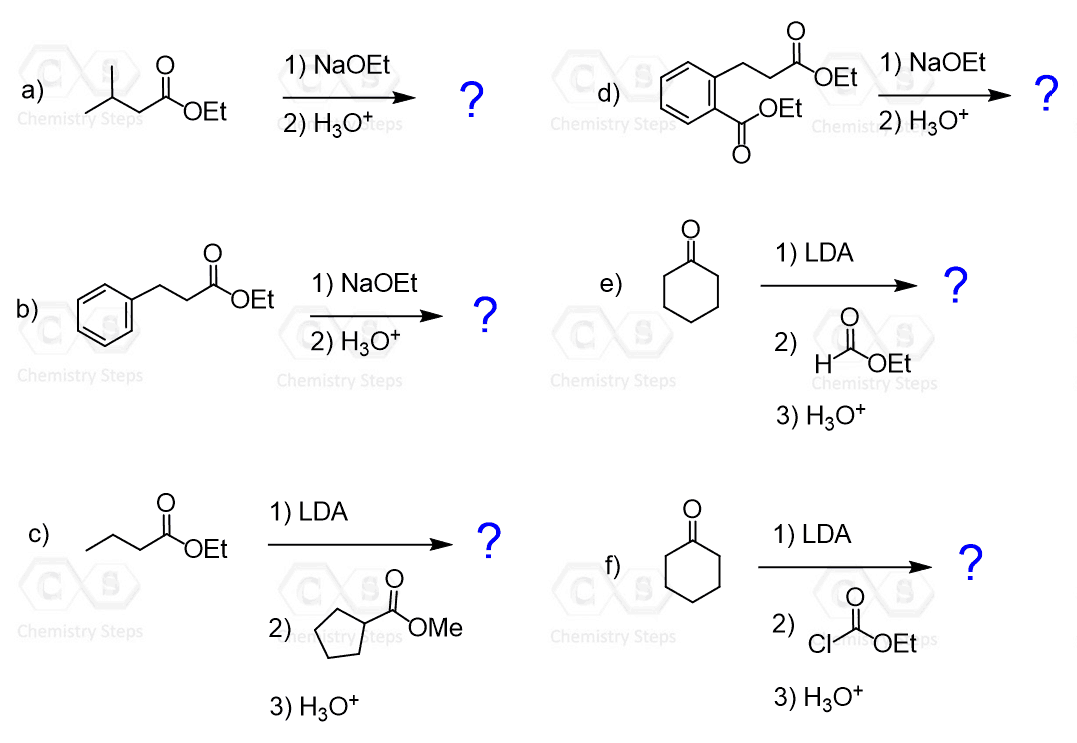
In the previous post, we talked about the Claisen condensation reaction and went over the mechanism as well as some details regarding the importance of at least two α hydrogens. Check those if you need to, before working on the … Read more
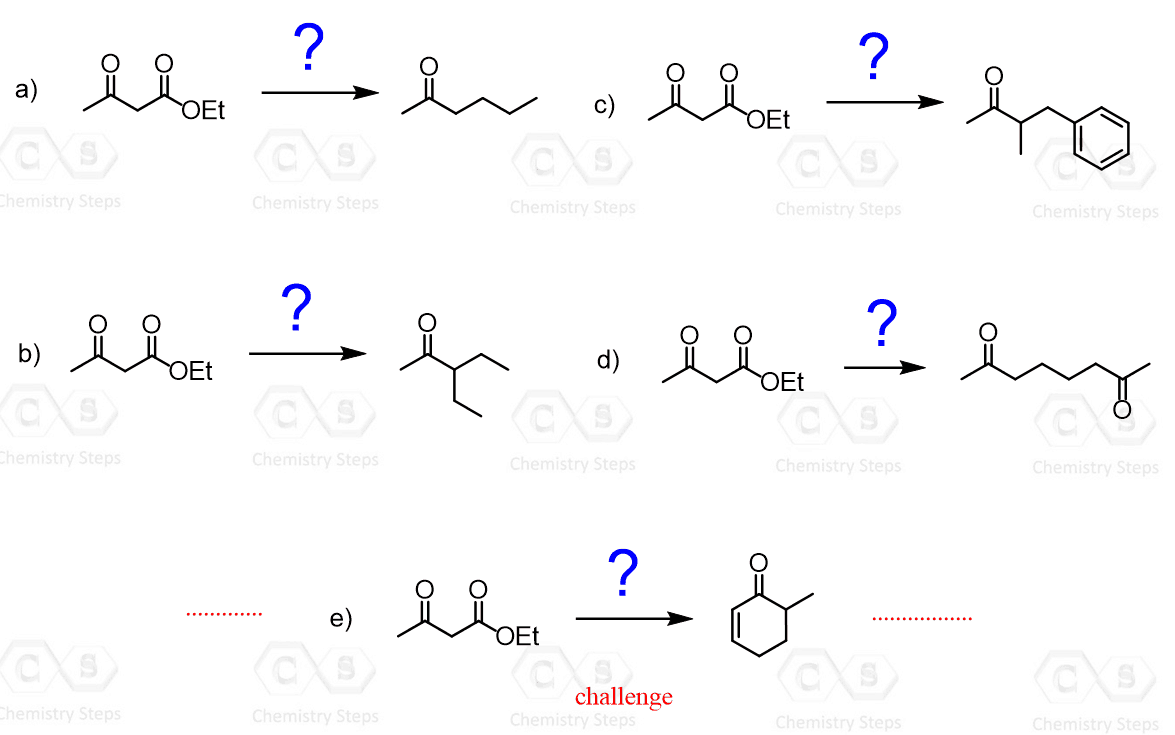
In the previous post, we discussed the acetoacetic ester synthesis, which is a method for preparing substituted methyl ketones via alkylation of the acetoacetic ester followed by hydrolysis and decarboxylation. Below are some practice problems on the acetoacetic ester synthesis … Read more
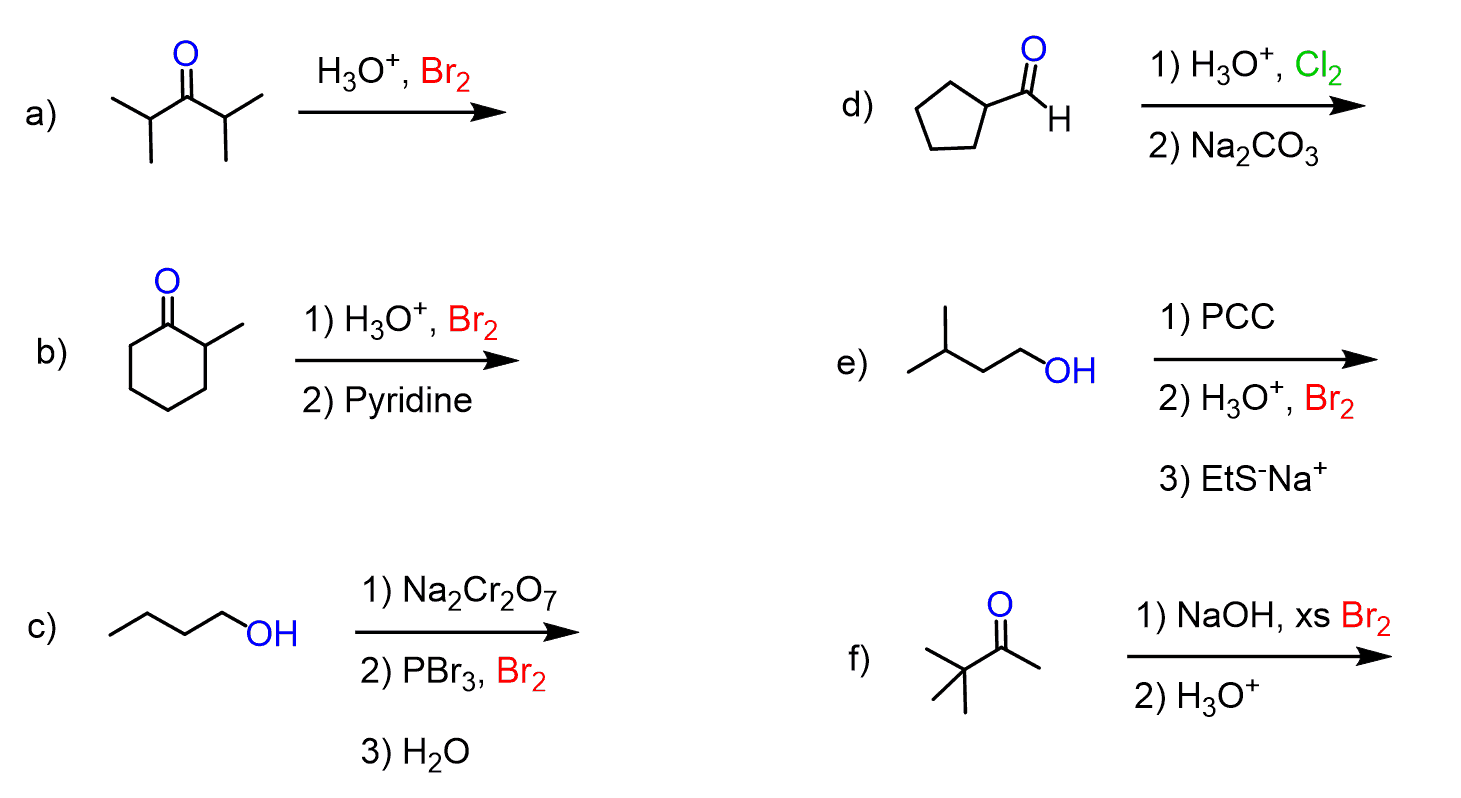
In the previous post, we talked about the alpha halogenation of aldehydes and ketones and its application in organic synthesis. So, if you have already gone over this material, go ahead and work on these practice problems. The second part … Read more
Preparation of Amides Amides can be prepared from acyl chlorides, esters, and carboxylic acids. The most straightforward should be the reaction with acid chlorides since they are the most reactive carboxylic acid derivatives, and amines are good nucleophiles too. This … Read more
Acyl chlorides, being the most reactive among carboxylic acid derivatives, undergo a wide variety of nucleophilic acyl substitution reactions. A quick reminder, in a nucleophilic acyl substitution, the leaving group is replaced by a nucleophile by the addition-elimination mechanism: … Read more
We have already talked about the ortho, para, and meta directions in electrophilic aromatic substitution and their combined effect for disubstituted benzene. This should allow us to synthesize different aromatic compounds starting from benzene. For example, how can we synthesize … Read more
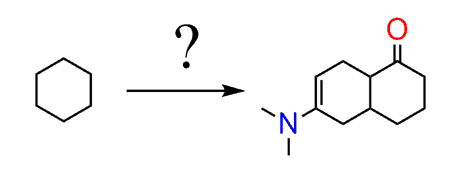
The Diels-Alder reaction is very important in Organic Chemistry. In fact, Otto Diels and Kurt Alder received the 1950’s Chemistry Nobel Prize for the discovery of this reaction back in 1928. You will see it quite often in organic synthesis … Read more
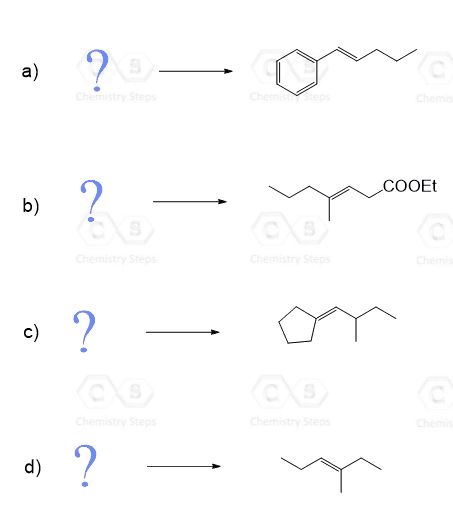
In the previous post, we discussed the principle and mechanism of the Wittig reaction. Go over those if you need to, and in the following practice problem, we will work on proposing a synthesis for Wittig reagents as well as … Read more
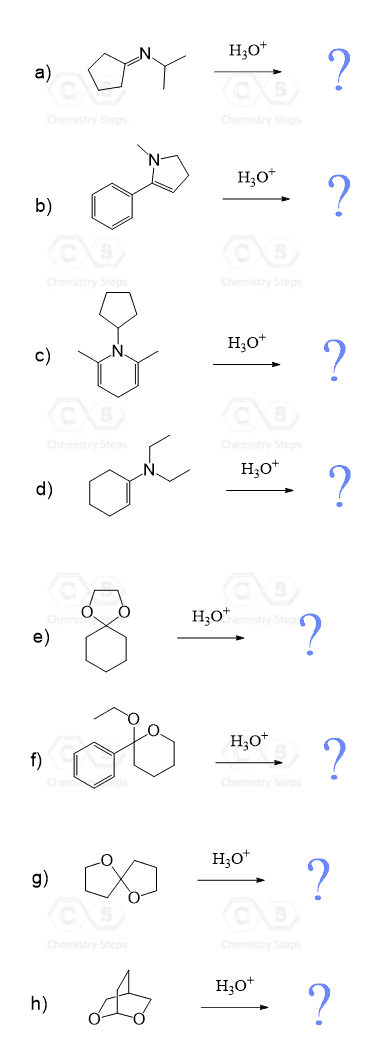
We discussed the mechanisms for the hydrolysis of acetals, imines, and enamine to aldehydes and ketones in the previous posts: Acetal Hydrolysis Mechanism Imine and Enamine Hydrolysis Mechanism So, here is a set of practice problems you can work on … Read more