Birch Reduction
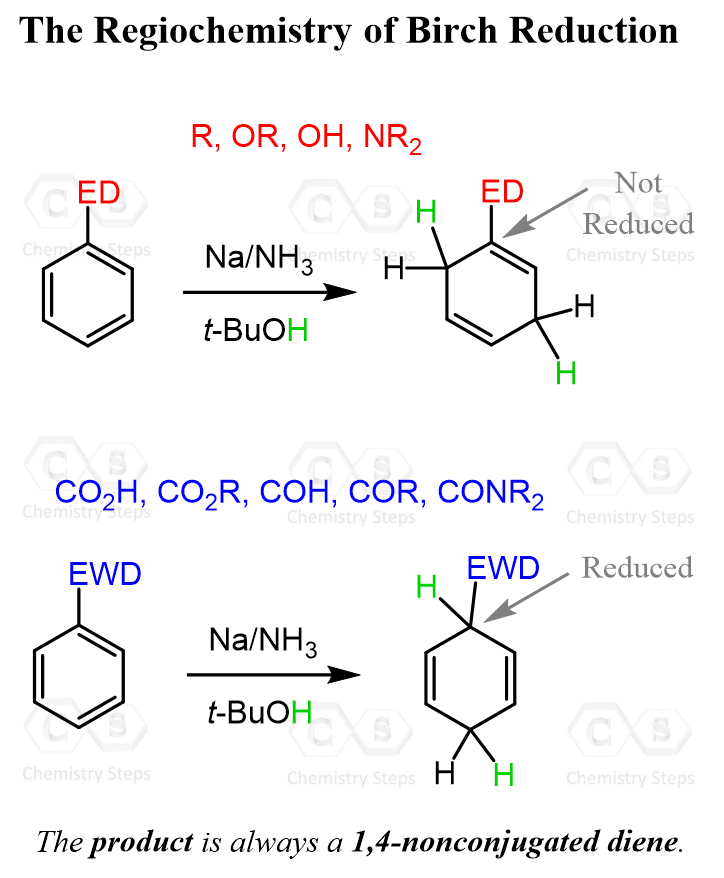
We have seen in the reduction of alkynes that sodium metal dissolved in ammonia is a source of electrons, and these electrons can be used to reduce the triple bond to a trans alkene: The same principles apply … Read more
The only way of mastering any topic in Organic Chemistry is doing lots of practice problems. And I know, seeing my students, that starting to work on a practice problem may be the hardest part as you don’t know where to start. It is difficult to visualize what where the double bond would be moved if you follow the five curved arrows crammed in one step. Here is the trick:
We are always told to think before doing something. Fair enough. But let me tell you, it is also strangely enough, that in Organic Chemistry, it is often better to draw and then think about what you did (not in the lab though). It is much easier to have a structure in front of you and check for errors and improvements.
Do the first step, take the pencil and you will see that the ball gets rolling.
You have all these Organic Chemistry Practice Problems waiting to be solved!
We have seen in the reduction of alkynes that sodium metal dissolved in ammonia is a source of electrons, and these electrons can be used to reduce the triple bond to a trans alkene: The same principles apply … Read more
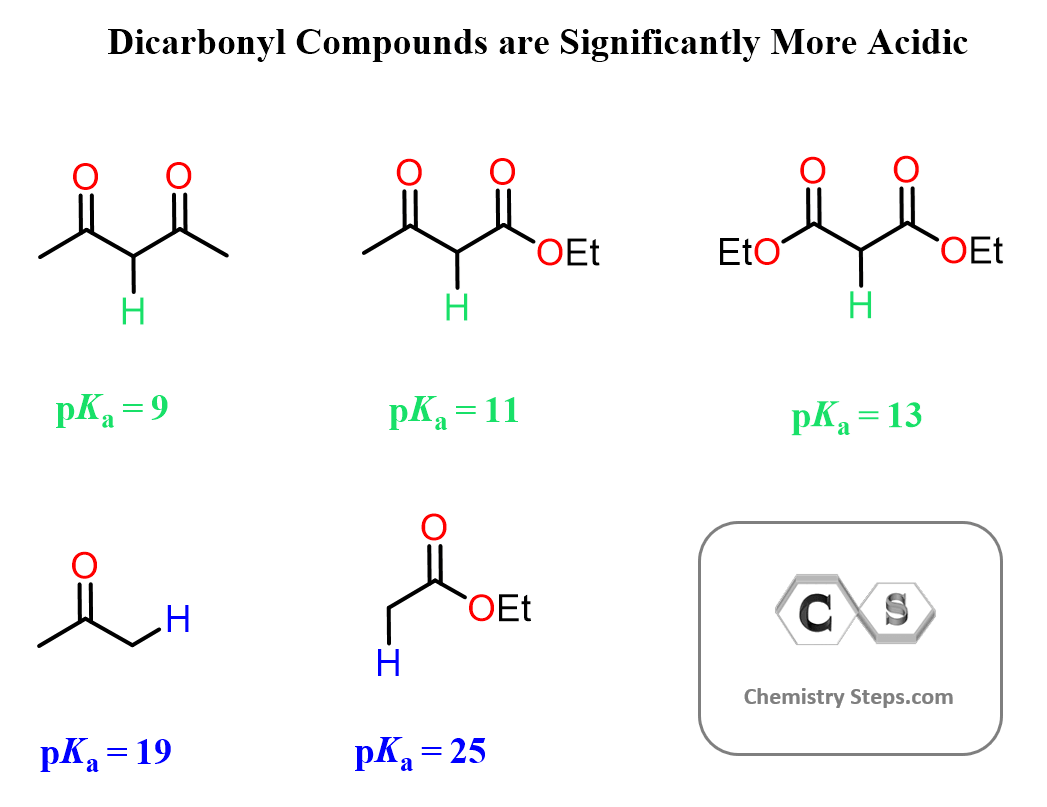
Starting from General Chemistry and up until discussing the key principles of acids and bases, we recognize hydrogens connected to heteroatoms as being the acidic protons. Recall all the inorganic acids such as HCl, HBr, H₂SO₄, etc., and the carboxylic … Read more
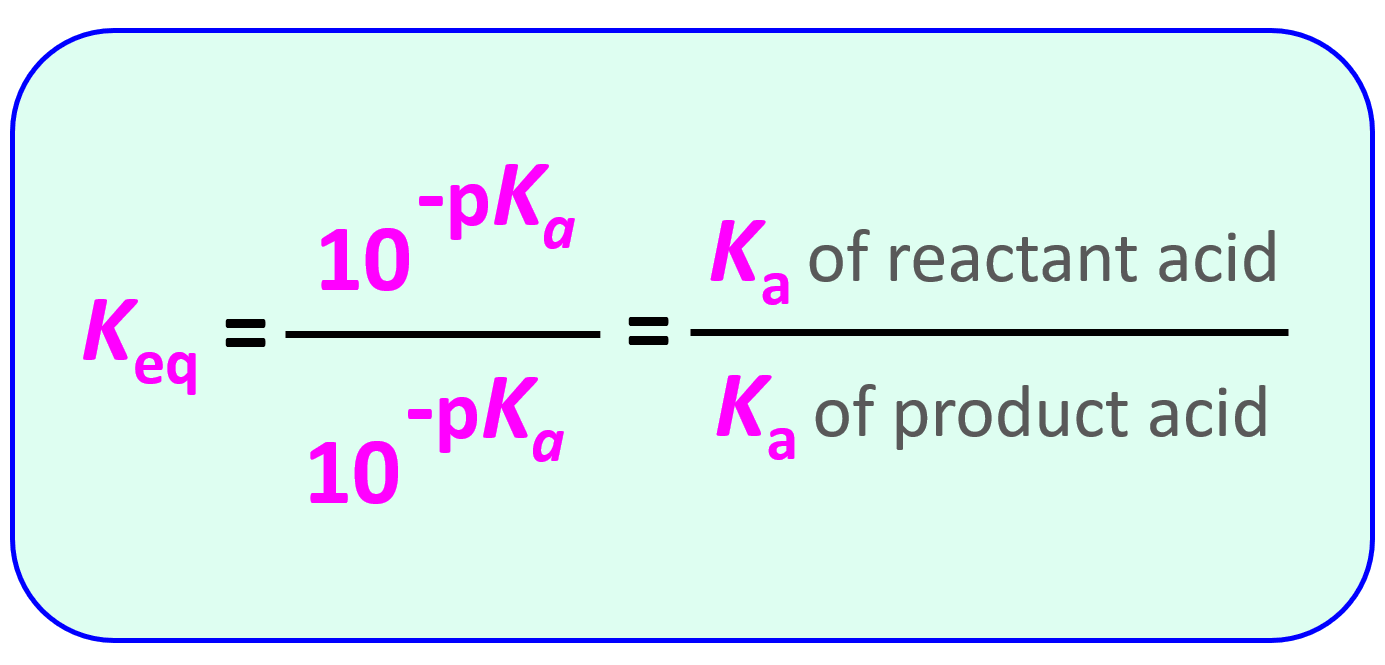
We have learned earlier that the pKa values can be used to predict whether the equilibrium of a given acid-base reaction lies to the right or to the left. In other words, we can compare the pKa values of the … Read more
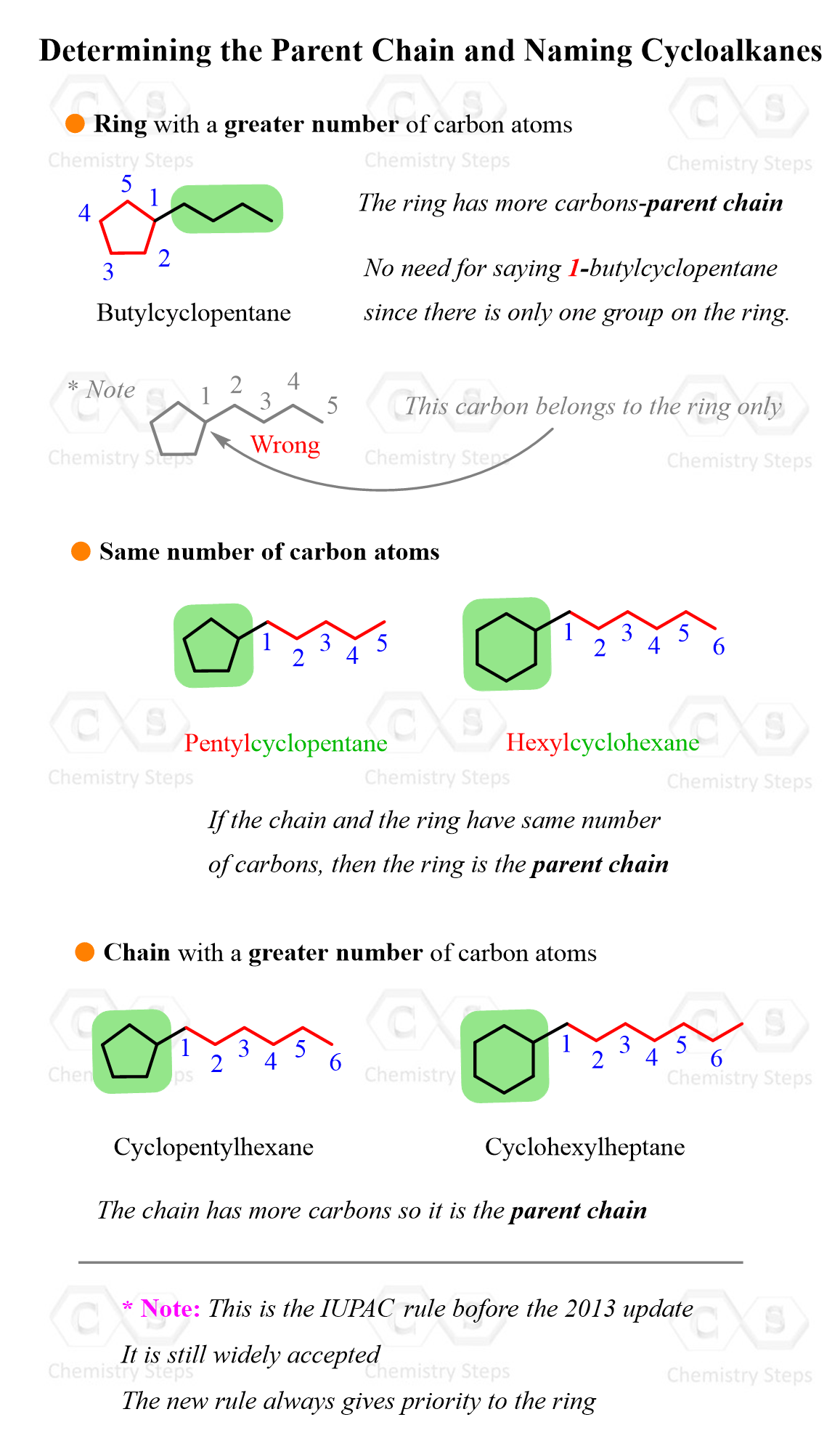
You have already learned the base names of alkanes and the IUPAC rules for determining the parent chain, substituents, alphabetical priority, and giving complete names to alkanes and alkyl halides. Here is a typical example of naming a substituted alkane, … Read more
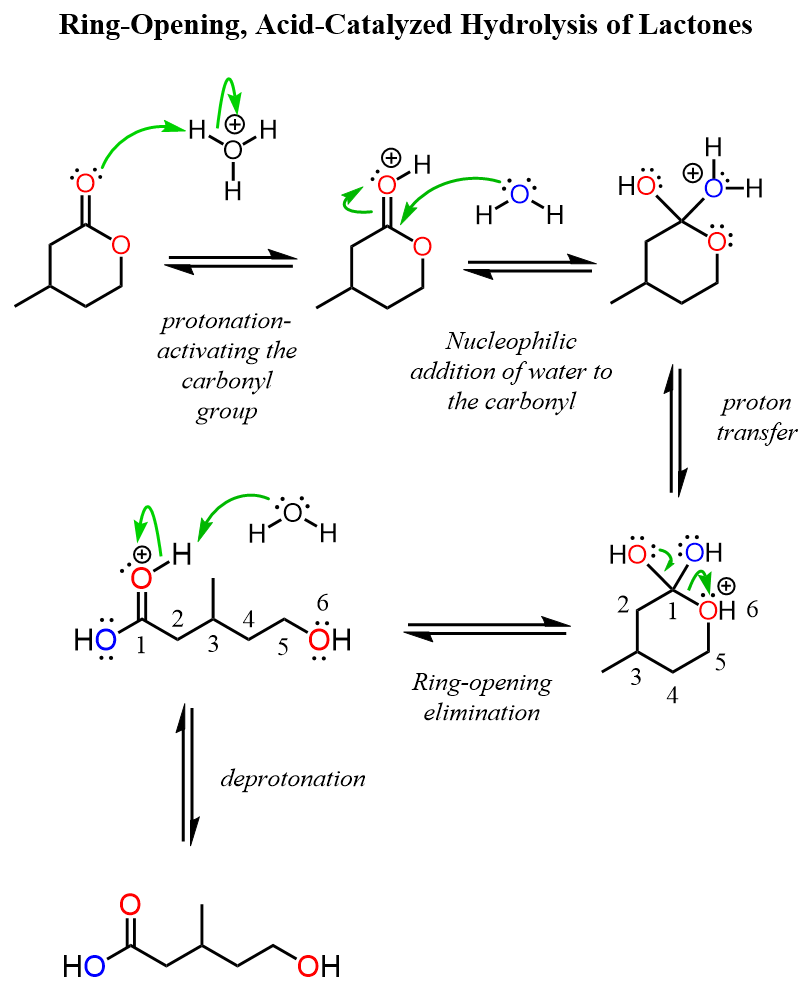
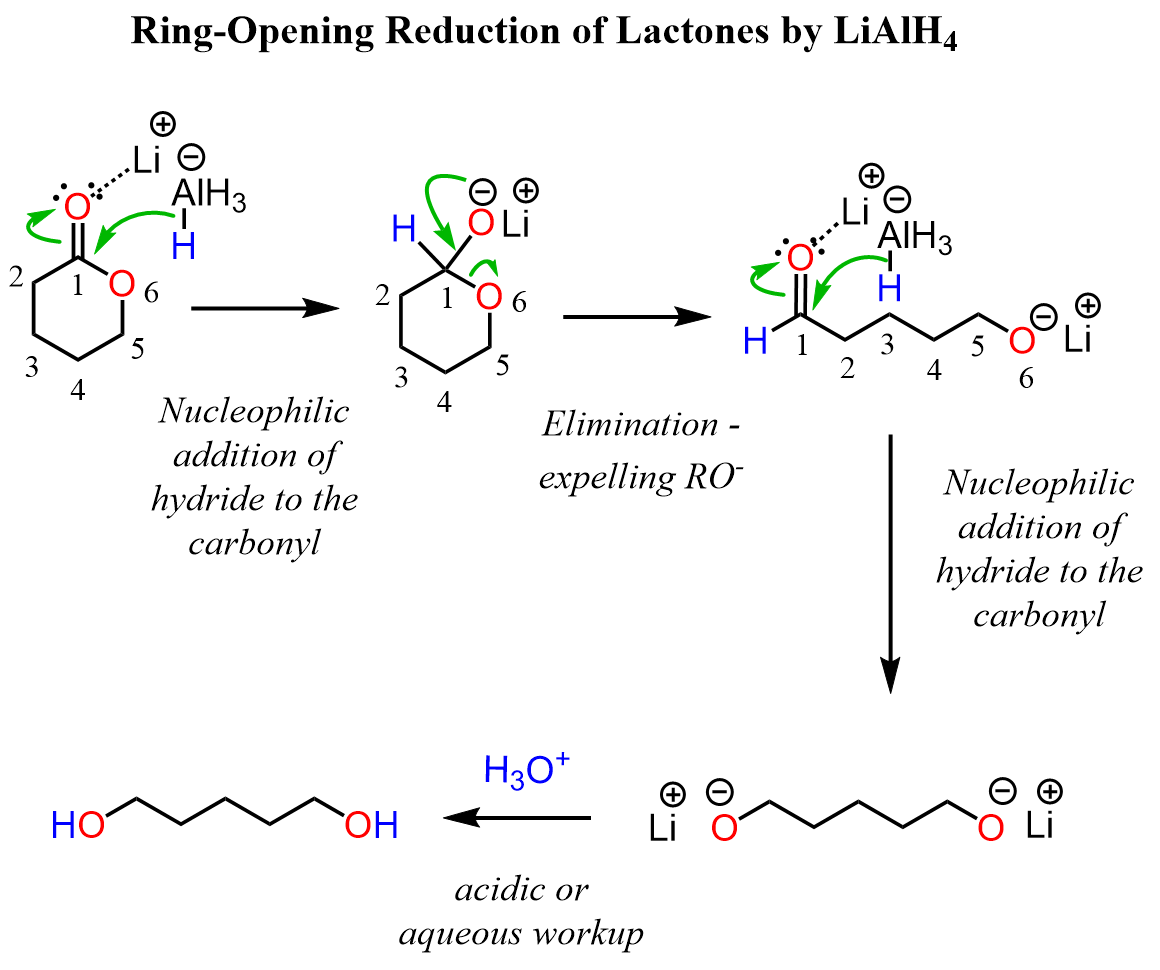
We have discussed earlier that esters can be hydrolyzed under acidic or basic conditions to give carboxylic acids and alcohols. Lactones behave in an analogous way, except that being cyclic esters, their hydrolysis leads to ring opening and … Read more
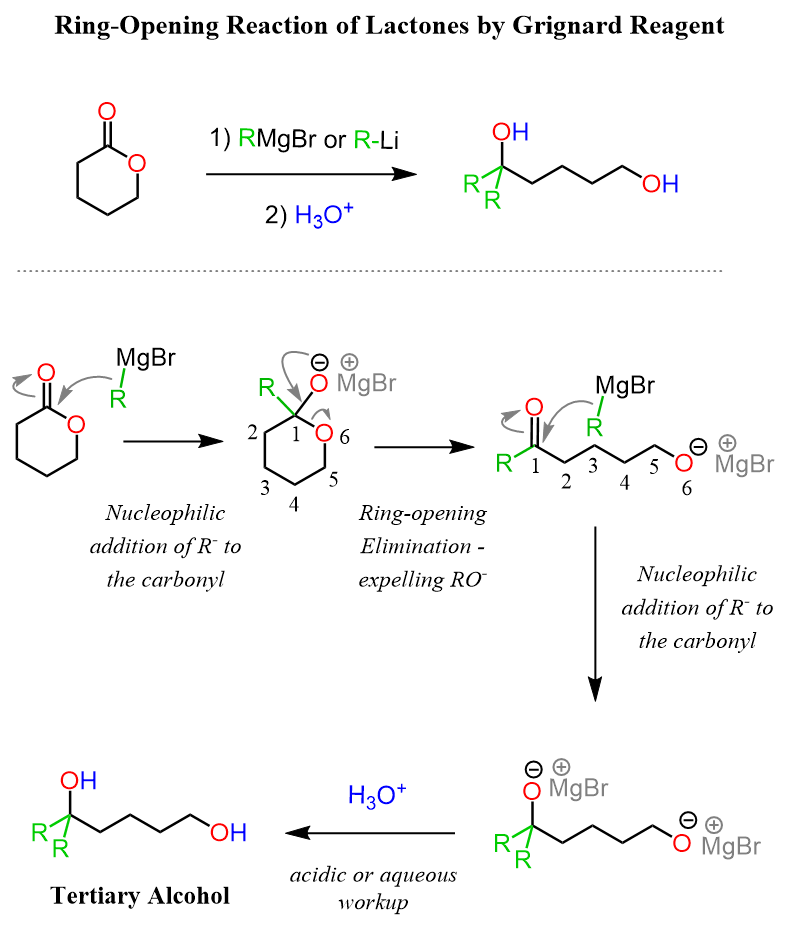
We have seen earlier that esters react with two equivalents of Grignard reagent to form tertiary alcohols after acidic workup. The reaction occurs through two successive nucleophilic additions: the first addition forms a tetrahedral intermediate that collapses by expelling the … Read more
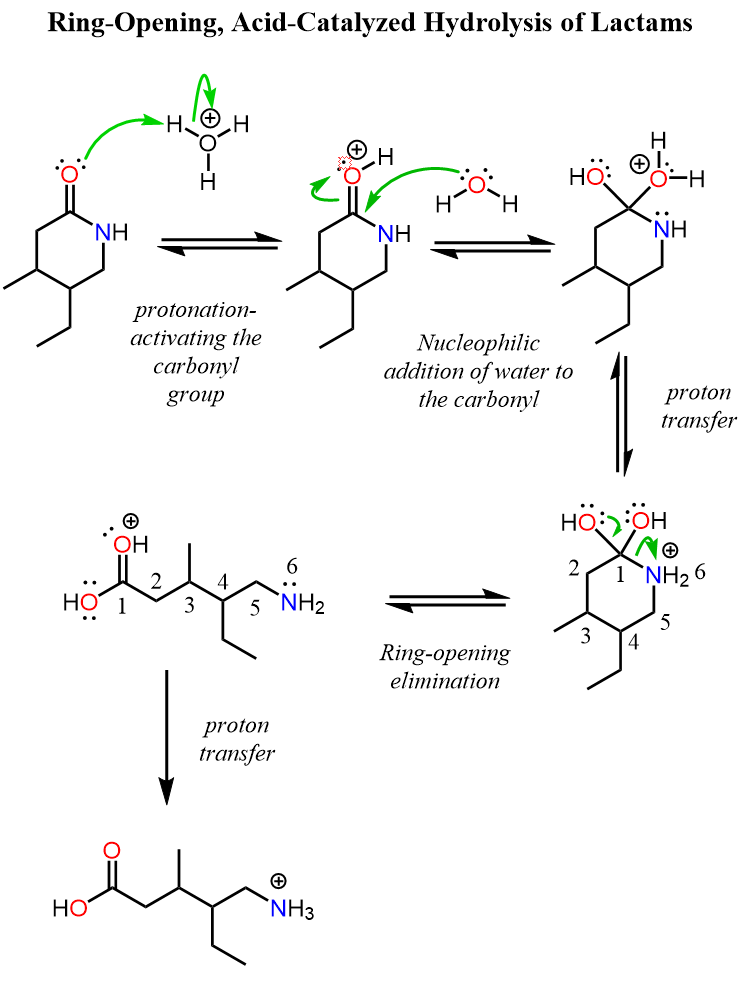
We have seen that amides can be hydrolyzed to carboxylic acids and amines under acidic or basic conditions. Lactams are cyclic amides, and the amino and carboxyl groups are part of the same molecule; therefore, the products of … Read more
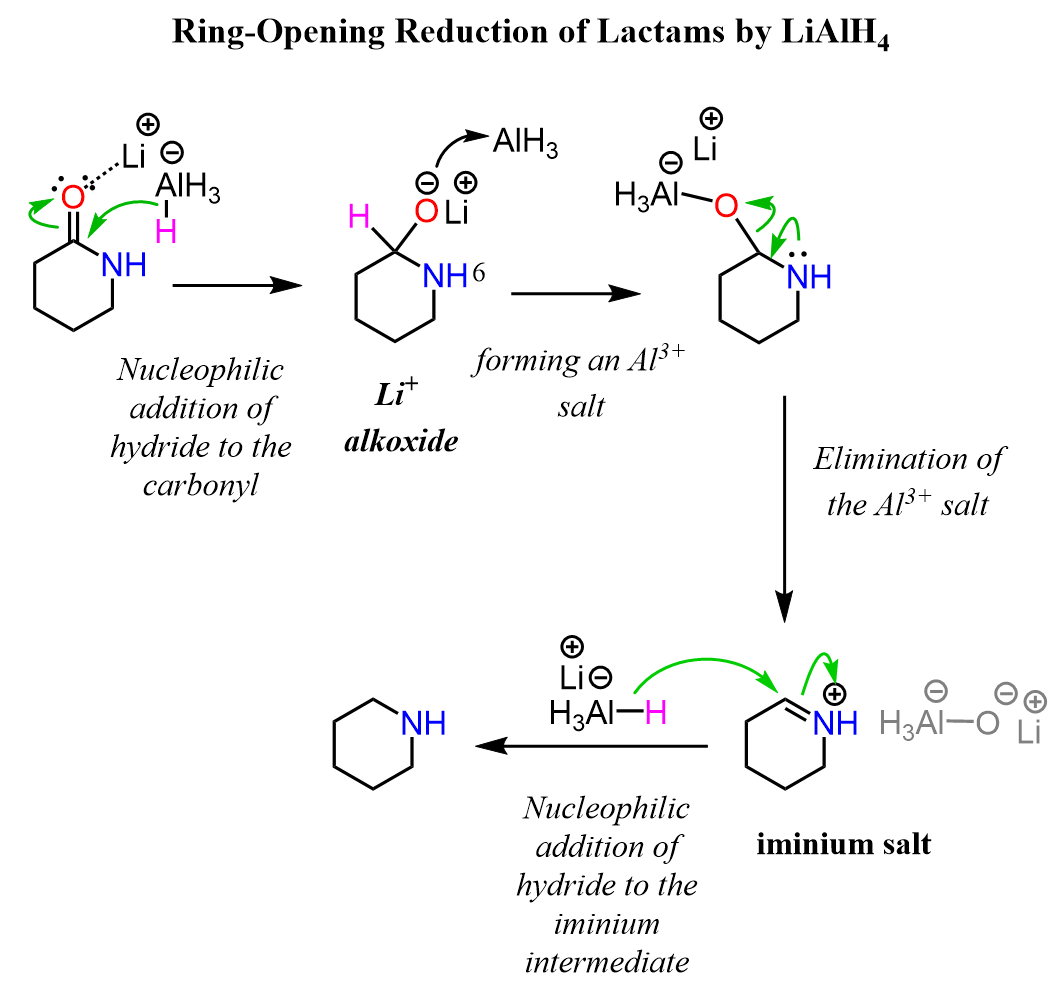
We have seen that the reduction of lactones with LiAlH₄ proceeds through ring opening and ultimately gives diols after two consecutive hydride additions. A very similar hydride reduction can also be applied to lactams, although the outcome and key mechanistic … Read more
We have seen that esters can be reduced to alcohols by lithium aluminum hydride (LiAlH₄) through two consecutive additions of hydride ions to the carbonyl carbon. The mechanism starts with nucleophilic attack of hydride on the ester carbonyl, … Read more
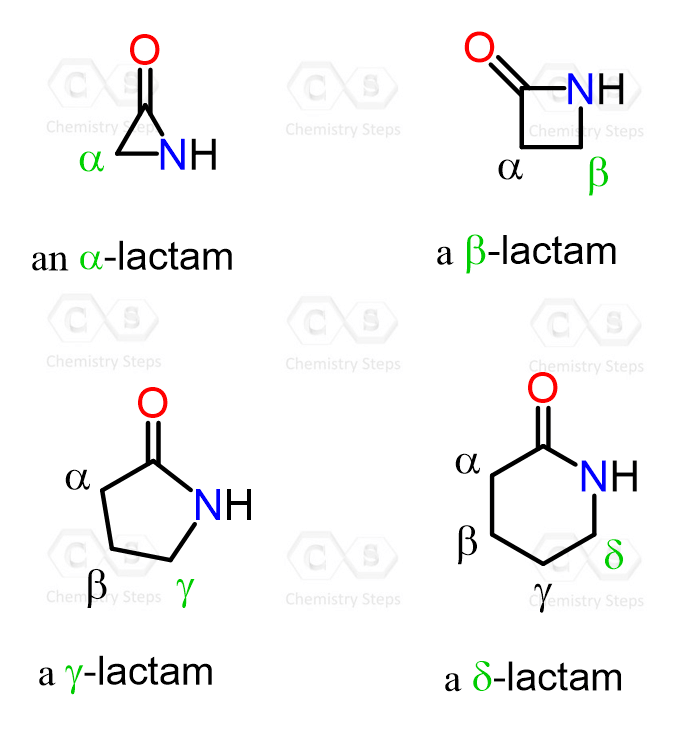
Introduction to Lactams Lactams are cyclic amides, and they are classified according to the size of the ring containing the amide group. The naming uses Greek letters that indicate how many carbon atoms lie between the nitrogen and the carbonyl … Read more